

Xeriscaping stands out as a practical and attractive solution. It reduces water usage without sacrificing beauty, offering clean, minimal designs that require less upkeep and fewer resources. This approach not only saves water but also cuts down on maintenance and long-term costs.
By choosing drought-tolerant plants, using efficient irrigation techniques, and rethinking traditional lawns, xeriscaping can transform outdoor spaces into low-maintenance, eco-friendly landscapes that still feel welcoming and vibrant.
Here are simple and budget-conscious xeriscape ideas to help you create a yard that works with nature without demanding too much water.
1. Install Artificial Turf
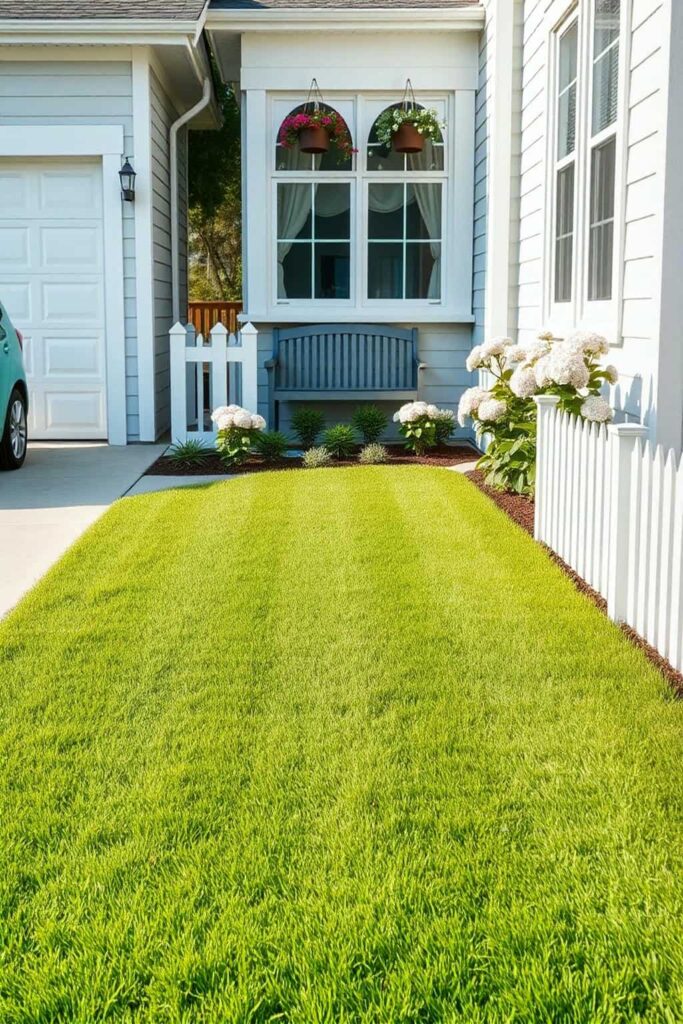
Perfect for drought-prone areas or places with water restrictions, synthetic turf eliminates the need for mowing, watering, fertilizing, and weeding, saving you both time and money.
Artificial grass stays vibrant year-round no matter the weather. It handles heavy foot traffic with ease, making it ideal for play areas, pet zones, and high-use spaces.
While the upfront cost runs higher than other xeriscaping options, long-term savings in maintenance and water use make it a smart investment. To ease the initial expense, install turf in phases, starting with high-traffic or highly visible spots and expand over time.
2. Introduce Hardscaping

Add hardscaping elements like stone and gravel to cut water use and eliminate mowing and pruning. Durable and weather-resistant, these materials bring lasting structure and style to your xeriscape.
Use decomposed granite, stepping-stones, or gravel to form pathways, and build patios with permeable pavers or flagstone. Border these spaces with succulents or native plants for a soft, natural contrast.
Play with color and texture. Match warm-toned stones with earthy native grasses, or set cool-toned gravel against the bold hues of succulents for a balanced, eye-catching design.
3. Add Succulents or Cacti
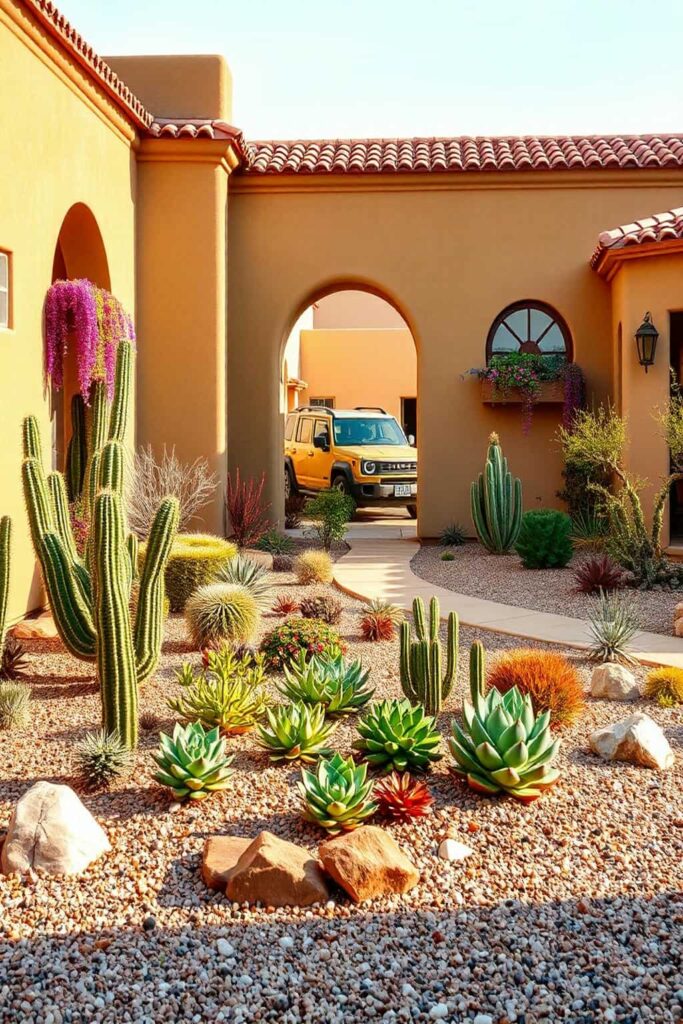
Succulents and cacti make excellent xeriscaping choices because of their ability to store water and thrive with minimal care. These resilient plants need infrequent watering and stay colorful and sculptural year-round.
Use them in rock gardens, borders, containers, or even vertical displays for added texture and visual impact. For bolder statements, plant Saguaro, Cholla, Barrel, Golden Barrel, or Prickly Pear cacti.
4. Mulch Your Space
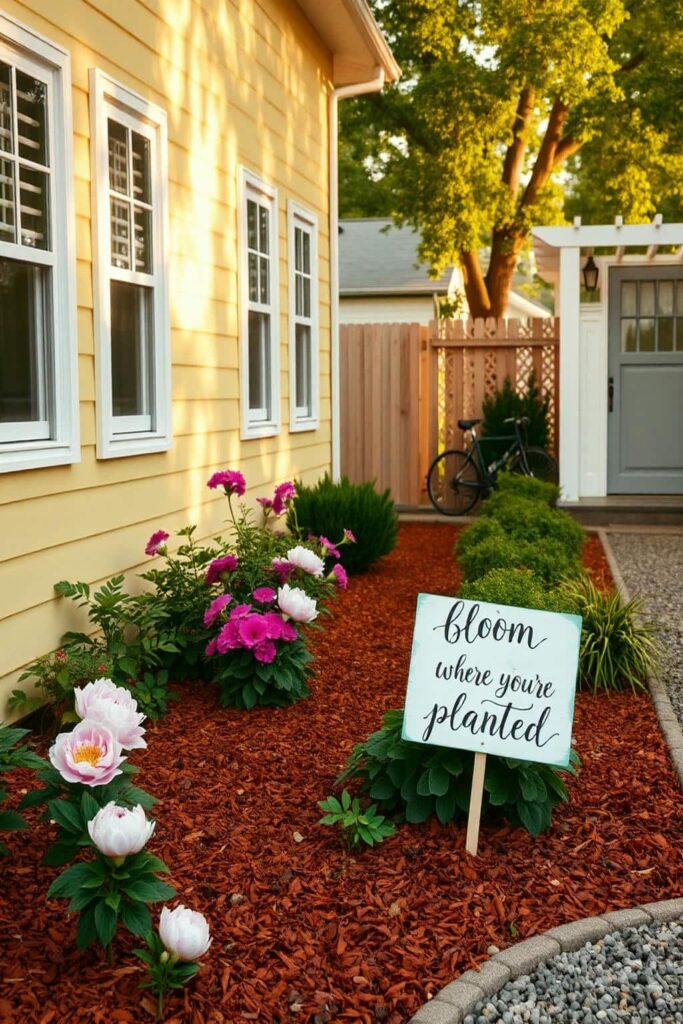
Mulching plays a key role in xeriscaping by slowing evaporation, insulating the soil, and suppressing weeds. It creates a protective barrier that helps the landscape retain moisture and stay resilient, especially during dry spells.
Use organic mulches, such as wood chips, bark, and straw, work best in hot, dry climates. They cool the soil, break down over time to improve soil structure, and give gardens a warm, earthy feel.
In cooler regions, inorganic mulches such as gravel, pebbles, or crushed rock absorb daytime heat and slowly release it at night, keeping the soil temperature more stable.
5. Plant Ground Covers and Ornamental Grasses
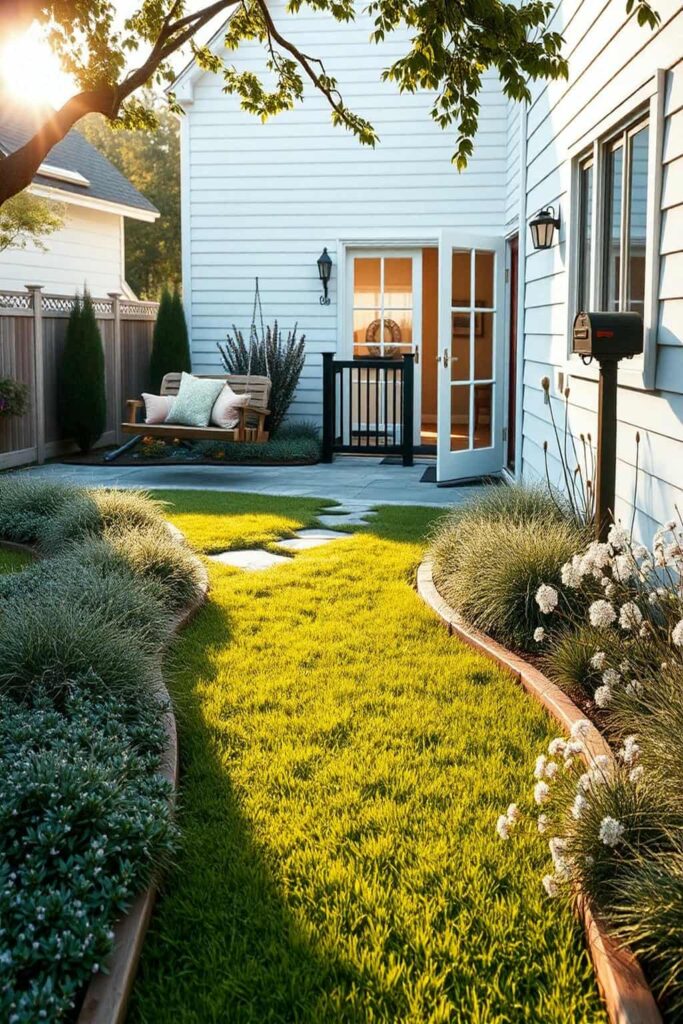
Ditch the thirsty, high-maintenance lawn and opt for landscape that stays vibrant with minimal effort.
Replace turf with low-growing groundcovers such as creeping thyme, dymondia, creeping phlox, low-lying sedum, and wooly yarrow. These hardy plants spread fast, form a lush green carpet, and need just one annual trim.
Add ornamental grasses such as blue fescue, muhly, and feather reed grass for movement, height, and texture. And then mix and match foliage types and colors for a striking xeriscape.
6. Plant Annuals
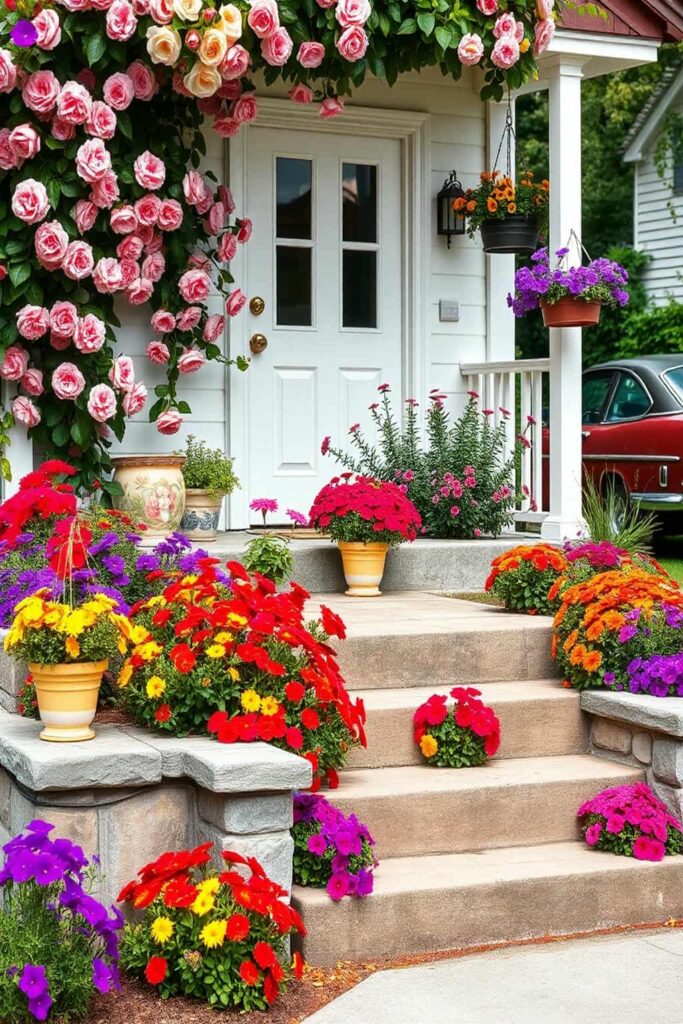
Grow annuals if you enjoy refreshing your garden’s look each year. These fast-growing plants complete their life cycle in a single season, meaning they sprout, bloom, and fade within a year.
In a xeriscape, annuals bring bursts of vibrant color without demanding long-term care. And their ever-changing nature lets you experiment with different styles and palettes each growing season.
Top choices for annuals for xeriscaping include marigolds, California poppies, and African daisies. These resilient varieties handle dry conditions gracefully while adding brilliant hues and seasonal flair to your drought-smart garden.
7. Plant Perennials

Drought-tolerant perennial plants bring both beauty and staying power to xeriscapes with little upkeep required. Once established, these hardy plants thrive with minimal watering, making them ideal for sustainable, low-maintenance gardens.
Blend perennials for borders with different heights, textures, and bloom colors to create a dynamic and layered design. Think soft lavender alongside bold coneflowers, or the feathery spikes of Russian sage rising above clusters of yarrow and blanket flowers
8. Build a Rock Garden
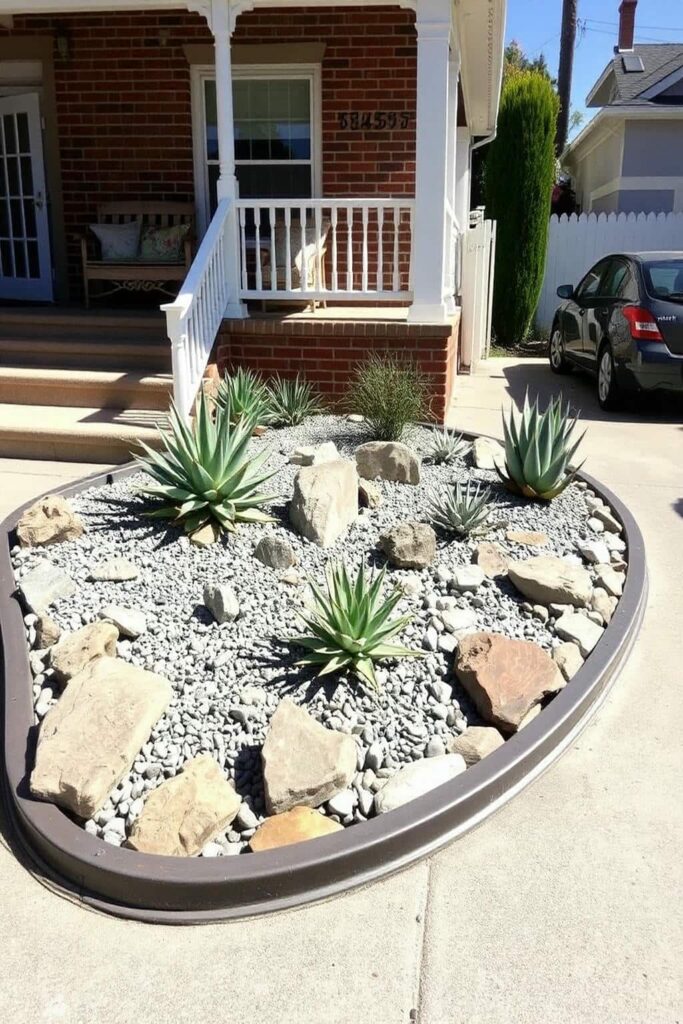
Start by arranging large rocks, such as beautiful white stones to form layers and height, then plant drought-tolerant species like succulents, cacti, wildflowers, and hardy herbs between the crevices.
Add colorful, low-growing groundcovers over the stones to soften edges and add movement. Enhance the space with personal touches, such as a birdbath, stone bench, or garden statues that add character and charm.
Once rooted, the rock garden thrives on rainfall alone. However, you should give the plants occasional water during the early months. Weed regularly and trim back overgrowth to keep it tidy.
9. Go for Native Grasses

Plant native grasses if you want a natural look without the upkeep of artificial turf. These drought-tolerant species adapt easily to local conditions, need minimal irrigation, and demand little maintenance once established.
Go for switchgrass, buffalo grass, blue grama, little bluestem, sideoats grama, or purple needlegrass. Blend varieties to create a wild, prairie-style meadow. And then grow taller grasses such as little bluestem to frame borders for a structured yet organic feel.
10. Harvest Rain Water
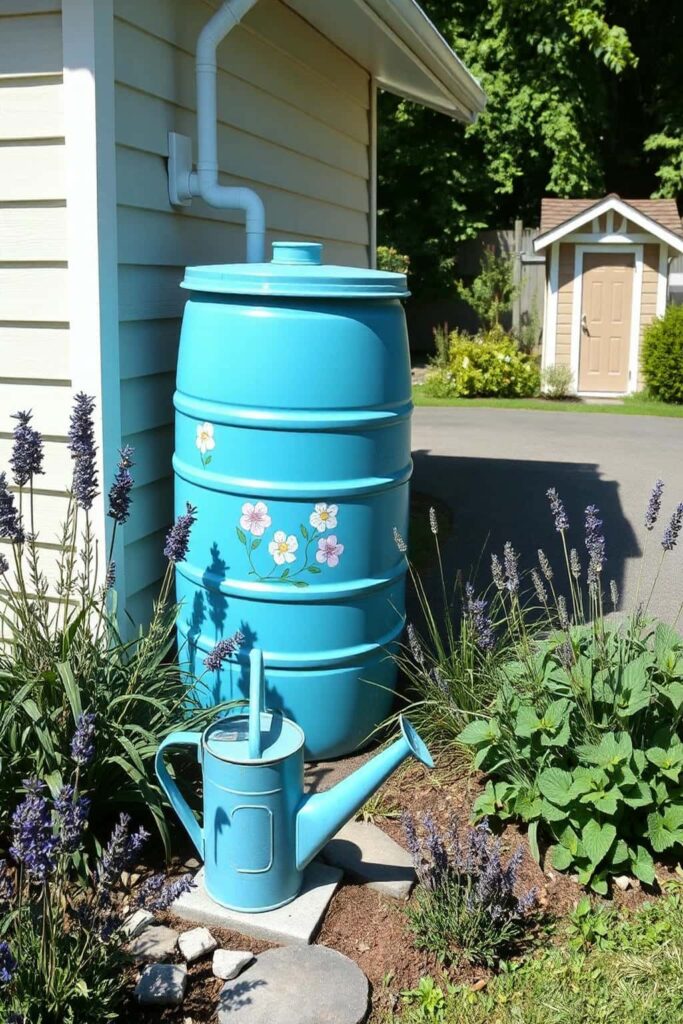
By capturing free water straight from the sky, you take pressure off strained water systems while keeping your landscape hydrated.
Even better, rainwater nourishes plants more effectively than treated tap water. Moreover, rainwater is free of chlorine and other chemicals, making it a gentler, more natural option for your garden.
Your roof acts as a natural rain collector, channeling water through gutters and downspouts. All you have to do is to set up a barrel, cistern, or tank at the base of a downspout to catch this runoff.
11. Water Efficiently
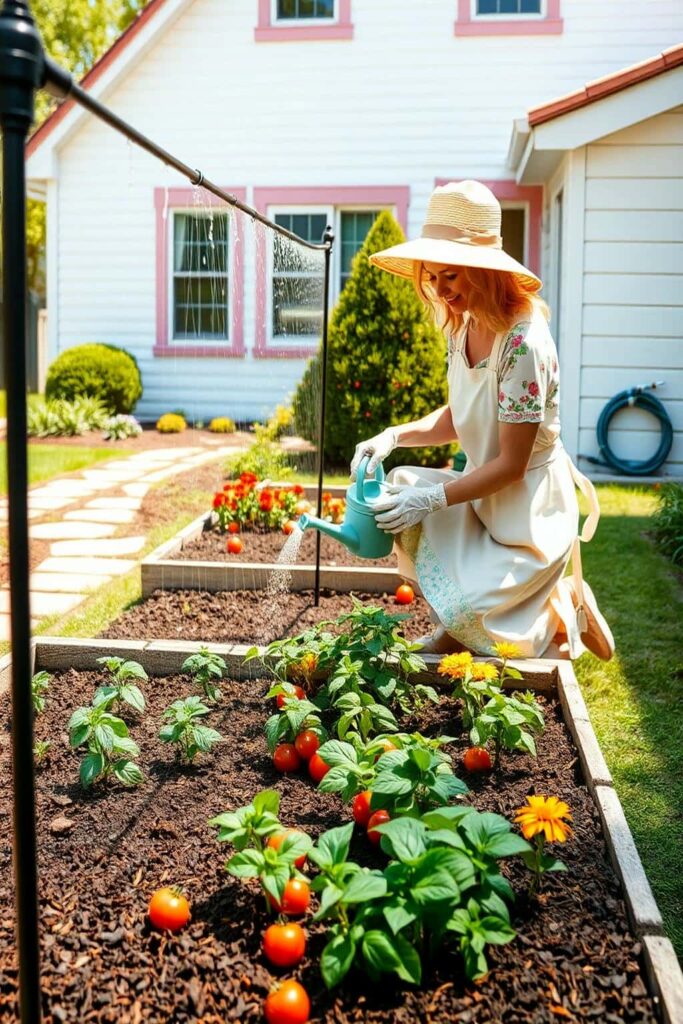
Xeriscaping aims to conserve water, but even drought-tolerant plants need occasional watering. The key lies in watering smart, not often.
Efficient irrigation minimizes water loss through runoff and evaporation, allowing you to keep plants healthy while dramatically cutting your water use.
- Use drip irrigation for individual plants and container gardens, as this option offers pinpoint accuracy that delivers water directly to a plant’s roots.
- Go with soaker hoses if dealing with wider areas like borders and beds, as they provide a slow, steady release and even coverage release along their length.
- Use hand watering when dealing with delicate plants, new transplants, or dry patches.
- Use a hose with a spray nozzle or a watering can with a narrow spout to avoid overwatering and keep the focus where it’s needed most.
Each of these techniques, used thoughtfully, turns a xeriscape garden into a thriving, sustainable space.