

Poor drainage can lead to foundation damage, landscape erosion, and even unsightly water buildup near your home. That’s why a well-planned downspout drainage system is a critical part of protecting your property.
Though often overlooked, downspouts serve both form and function. The right setup directs water away from your home efficiently and adds character to your exterior. Whether you prefer something subtle and easy to maintain or bold and design-forward, there’s something for you.
From classic underground extensions and decorative splash blocks to rain chains and creative DIY options, downspout systems can be as simple or as stylish as you want them to be. And you don’t have to sacrifice beauty for function, or vice versa.
Here are decorative downspout drainage ideas that help keep your home safe while enhancing its curb appeal.
1. Concrete Drainage Channel

A concrete drainage system offers lasting durability and stands up to elements, while efficiently directing water away from your home.
This long-term, low-maintenance solution involves building a channel that guides runoff from downspouts safely outward.
To ensure effectiveness, plan the concrete channel with your property’s layout and natural water flow in mind. Proper positioning keeps your foundation dry and landscaping intact.
2. Rain Chains
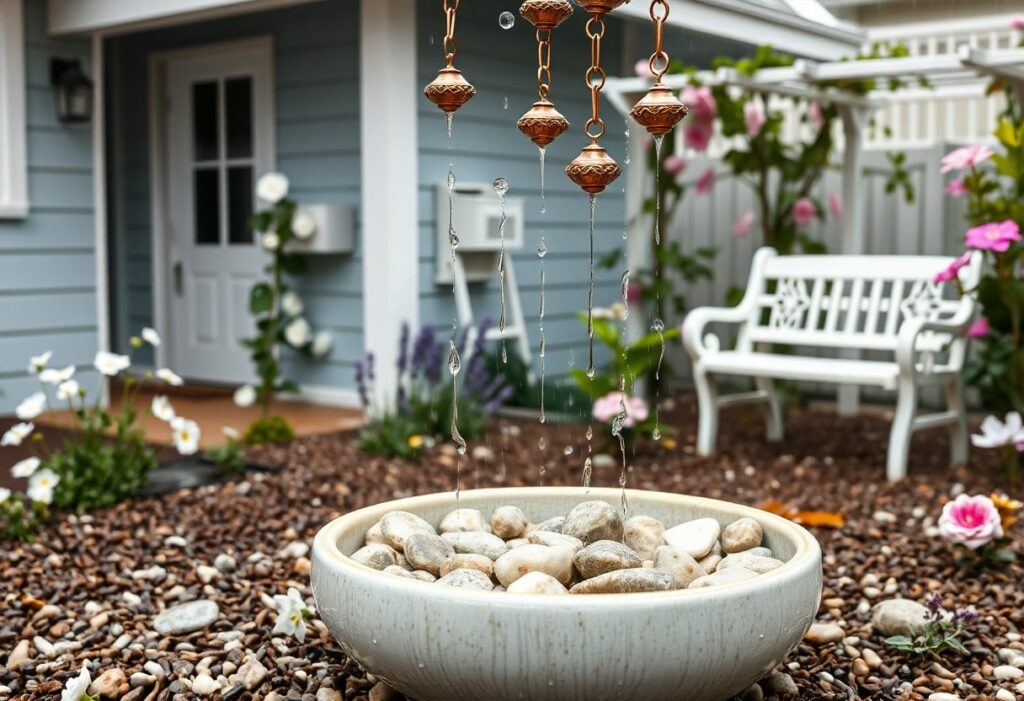
For a stylish twist on water management, replace your downspout with a rain chain, a vertical series of cups or links that guide rainwater from your gutter to the ground.
As water cascades down, it creates a soothing visual and auditory experience, turning a simple function into a decorative feature.
Ideal for areas with low to moderate rainfall, rain chains combine charm and practicality, enhancing curb appeal while gently directing runoff away from your home.
3. Rain Garden
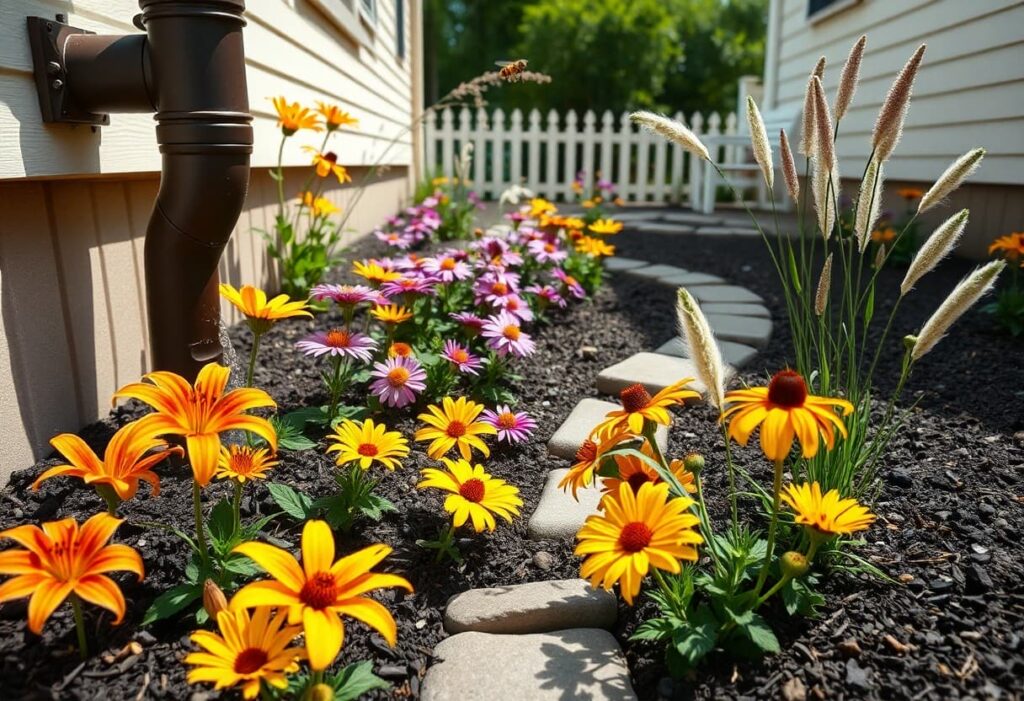
You can introduce a rain garden that captures runoff from downspouts, driveways, roofs, and other hard surfaces.
The garden filters and absorbs the water through layers of soil and plants, reducing flooding and erosion while replenishing groundwater.
Blend vibrant blooms with lush foliage to create a visually captivating space that also supports pollinators and improves soil health.
4. Permeable Pavers
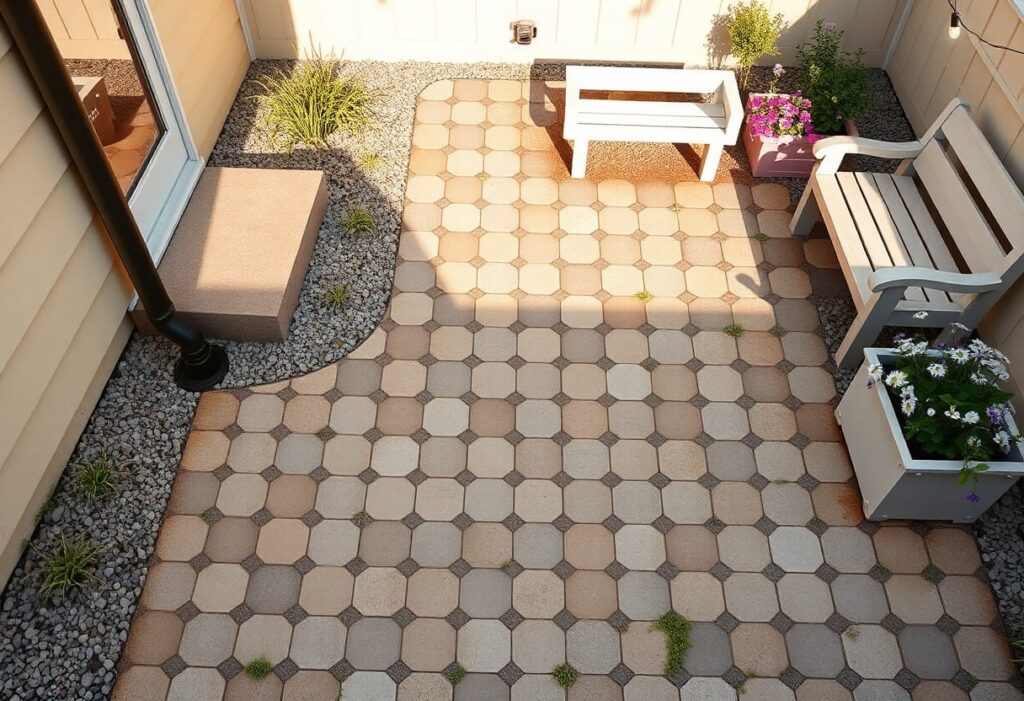
Permeable pavers allow rainwater from downspouts to infiltrate the ground instead of pooling on hard surfaces.
Made from porous materials such as concrete, stone, or plastic grids, permeable pavers are ideal for areas like patios, driveways, walkways, or around downspouts.
Permeable pavers help reduce runoff, minimize erosion, and support groundwater recharge. Plus, they come in a range of styles and patterns, so you can customize them to match your landscape design while improving your yard’s drainage efficiency.
5. Rain Barrel
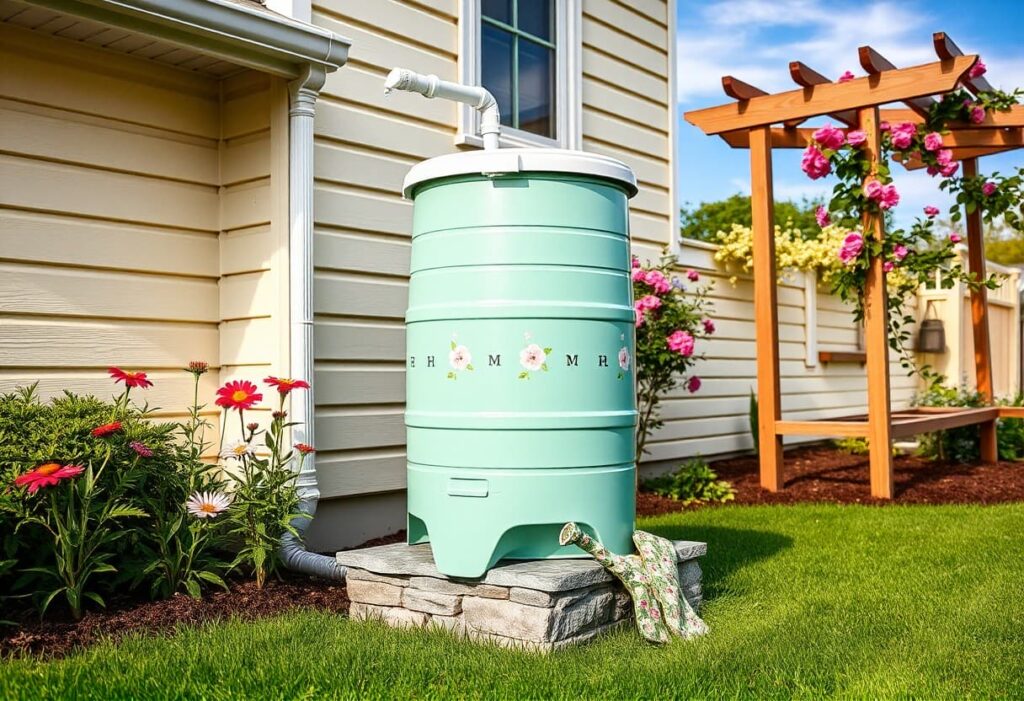
Connect a barrel to your downspout, and you’re ready to collect rainwater for later use. Whether for watering the garden or other non-potable household needs, this method offers a smart way to repurpose nature’s gift.
Available in various shapes and sizes, rain barrels help reduce storm water runoff while promoting water conservation. It’s a small change with big environmental impact and practical benefits for your home.
6. Splash Blocks
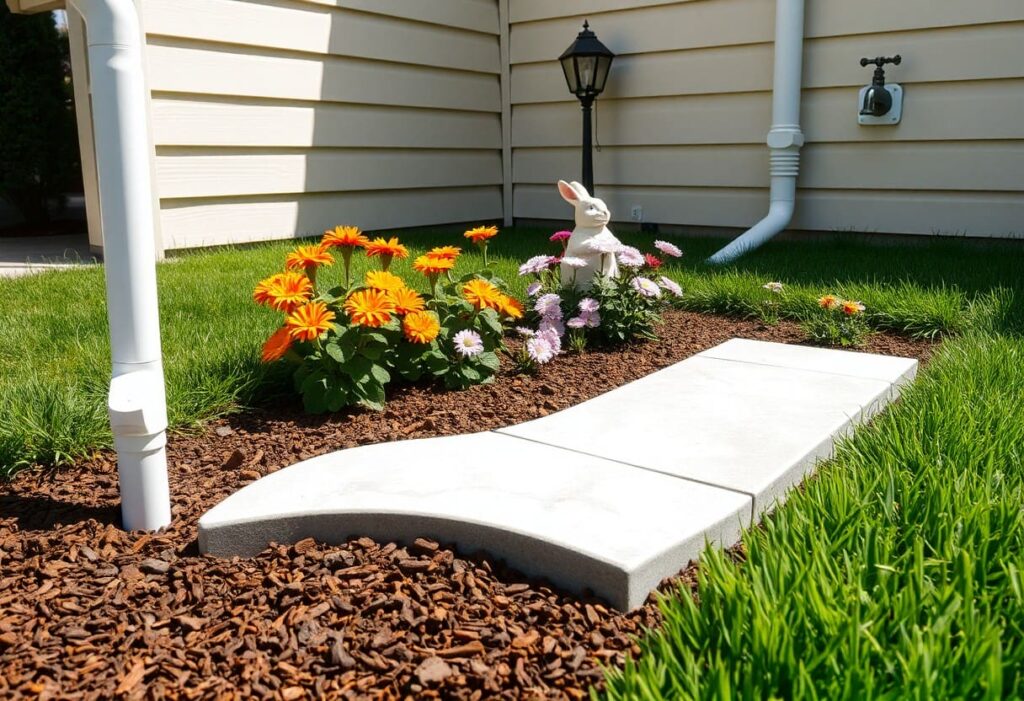
Splash blocks offer a quick and effective way to steer water away from your home’s foundation.
Positioned beneath downspouts, they channel runoff away, reducing the risk of soil erosion and water damage.
Splash block installation is a breeze. Just place the block on level ground, angle it slightly downward, and ensure it slopes away from the house.
7. Swale
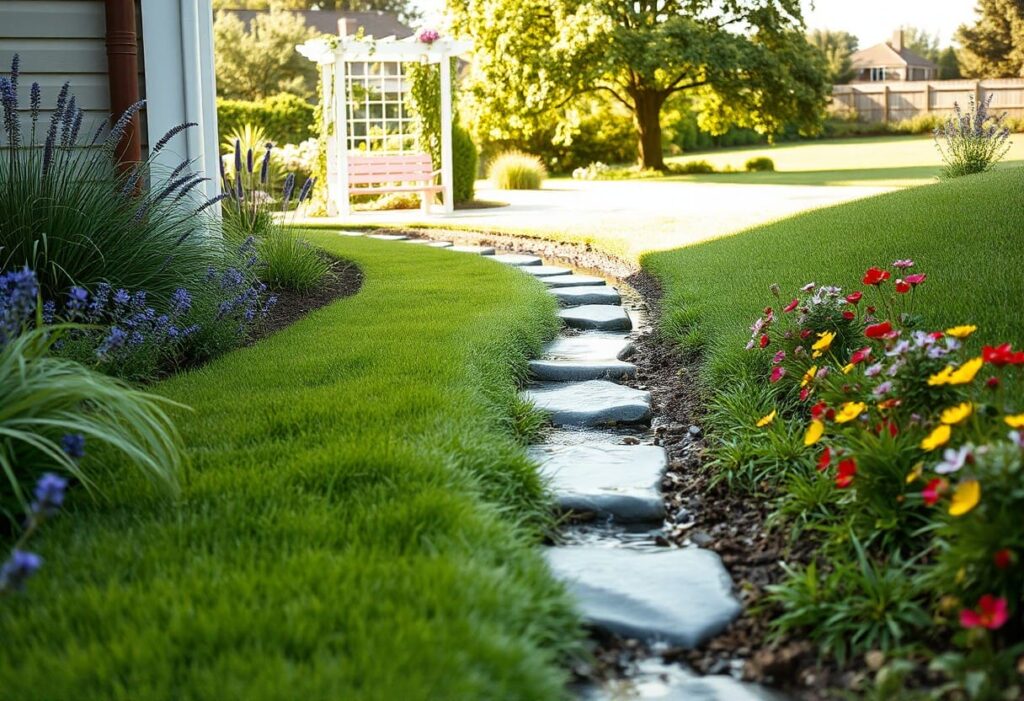
A swale is a shallow, contoured ditch designed to capture and redirect rainwater runoff, making it both a functional and eco-friendly yard drainage solution.
Ideal for sloped landscapes or areas prone to erosion, swale slows water flow, reduces pooling, and helps recharge groundwater.
The swale doubles as a natural-looking landscape feature if you line it with gravel or bordered by water-loving plants. It blends seamlessly into your yard while protecting your soil and boosting curb appeal.
8. Rigid Downspout Extension

A fixed, rigid downspout extension offers a straightforward way to channel rainwater away from your home.
Built from sturdy materials like PVC, vinyl, or aluminum, the extension easily handles heavy runoff while requiring little upkeep.
You can install the extension above ground for easy access or bury it for a neater, long-term finish. Though reliable and simple, this setup lacks flexibility, so it’s difficult to adjust once installed.
9. French Drain
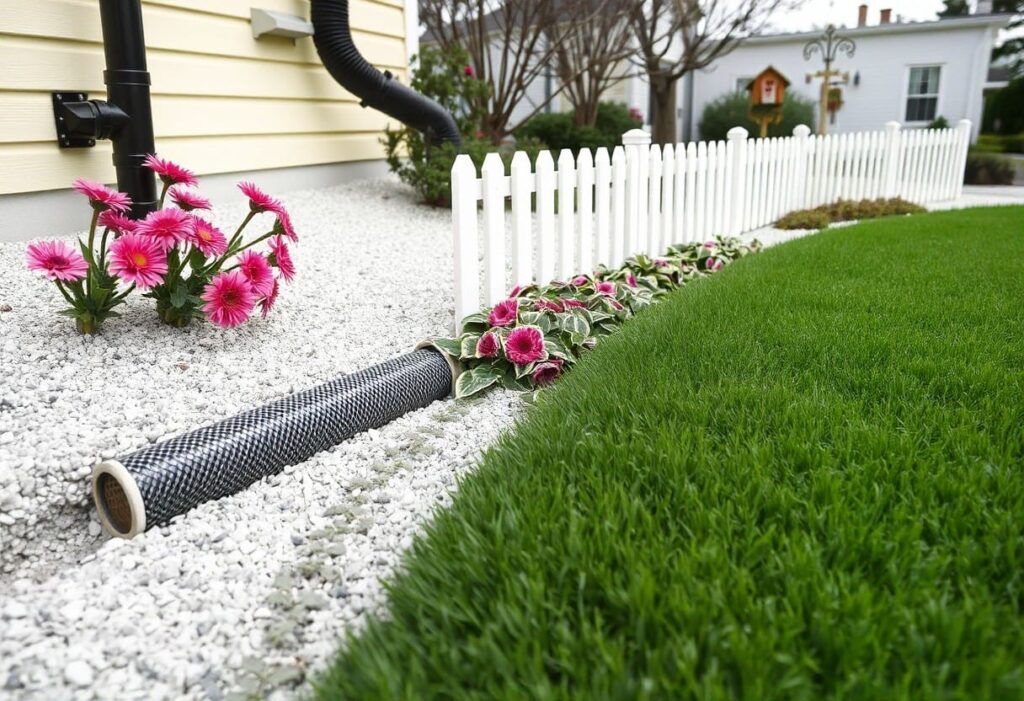
A French drain uses a slopped trench filled with gravel and a perforated pipe to redirect excess rainwater from your home’s foundation.
Its underground design maintains a tidy, uncluttered look in your yard while quietly handling drainage issues.
Though effective and durable, installing a French drain can be costly and physically demanding. It often requires professional expertise, making it a worthwhile but significant investment for long-term water management.
10. Dry Well
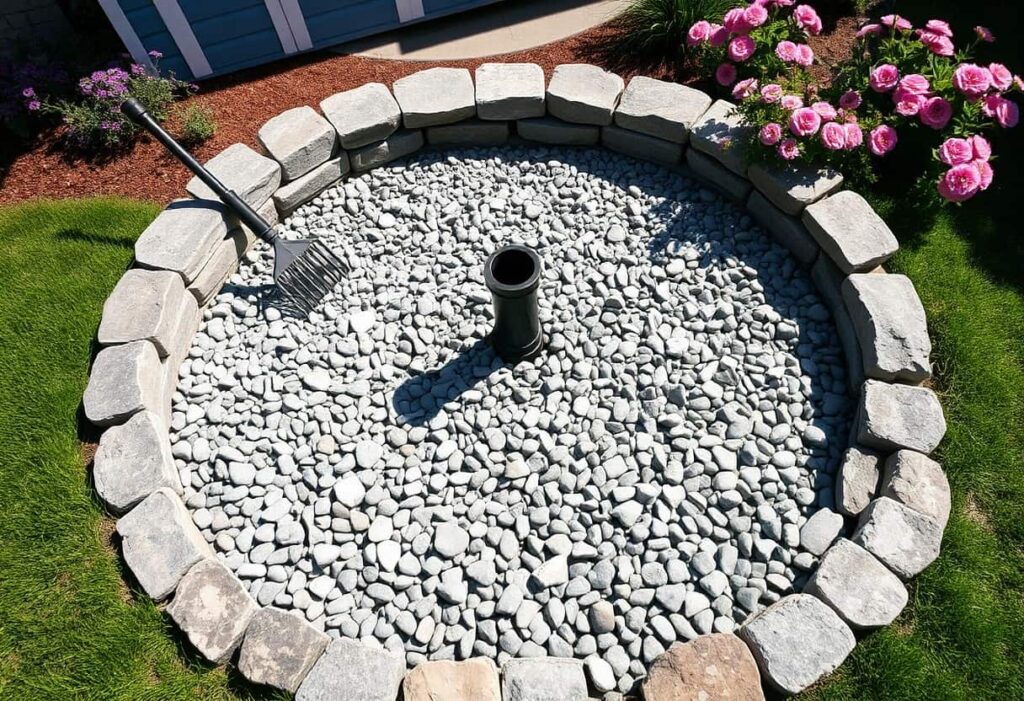
A dry well manages excess rainwater by channeling runoff from downspouts into an underground storage chamber, where the water gradually disperses into the surrounding soil.
This system is especially effective for flood-prone areas or regions with frequent heavy rainfall
Because it goes beneath the surface, a dry well preserves aesthetic while helping prevent soggy spots and foundation damage.
11. Gutter Waterfall
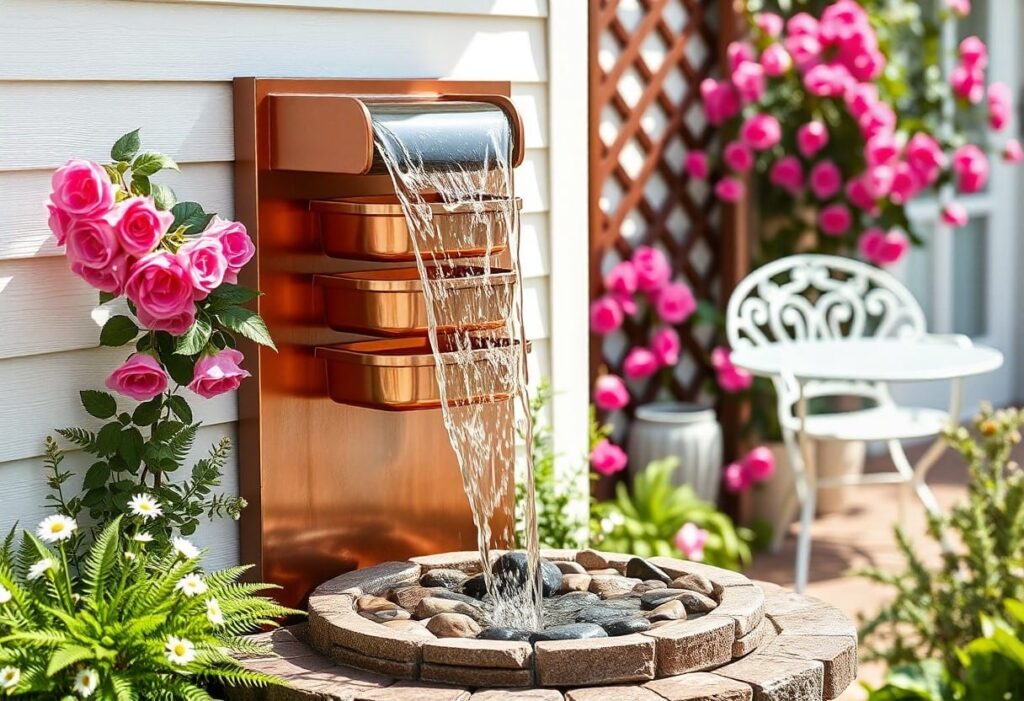
A gutter waterfall redirects runoff into eco-friendly drainage zones such as ponds, dry creek beds, or rain gardens, thus keeping your yard from getting muddy.
More than just practical, a gutter waterfall becomes a striking focal point that enhances your garden’s ambiance.
The gentle sound of flowing water adds tranquility, while birds and pollinators flock to its inviting presence.
12. Runout Drain Sleeve
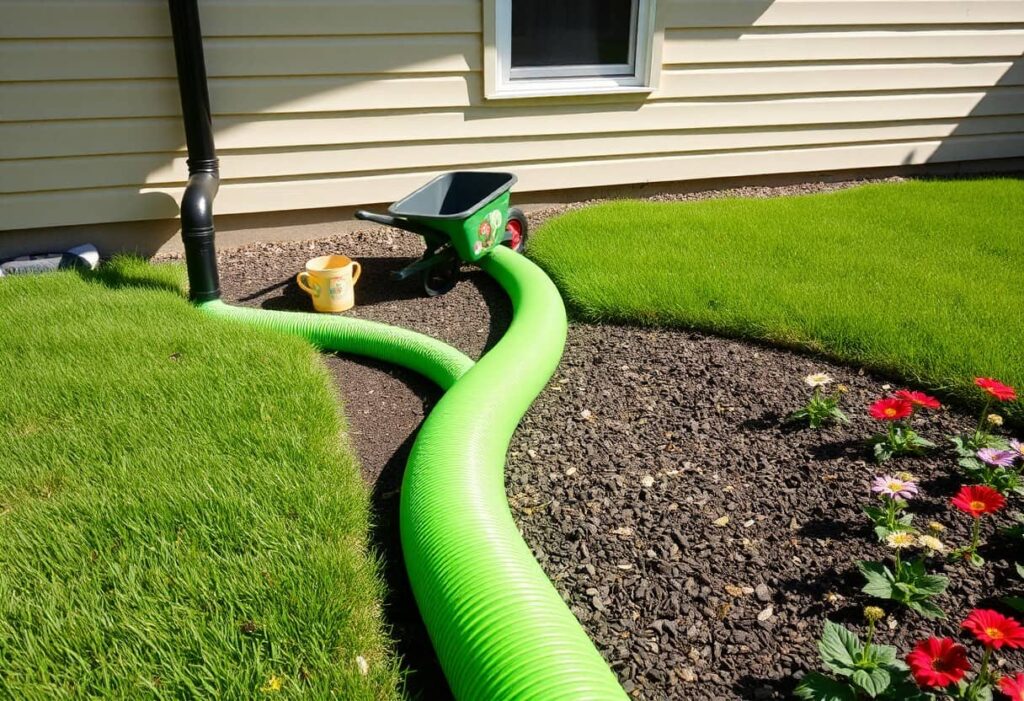
This clever drainage solution uses retractable downspout extensions that unroll automatically when it rains.
These rollout drain sleeves channel water several feet away from your home’s foundation into a garden, yard, or drainage zone, helping to prevent erosion and water damage.
Once the rain stops, the hose recoils neatly on its own. However, the extension may not fully unroll in very light rain, which can limit its effectiveness in mild weather conditions.
13. Downspout Planters

Turn a functional drainage point into a decorative feature by placing a planter box beneath your downspout.
These boxes help manage storm water runoff while bringing life to your yard with flowers, edibles, native species, or pollinator-friendly plants.
Downspout planters are customizable to suit your space, style, and budget. Whether you go for a store-bought version or a DIY creation, they offer a practical, low-maintenance, and visually appealing way to green up your drainage system.
14. Small Pond
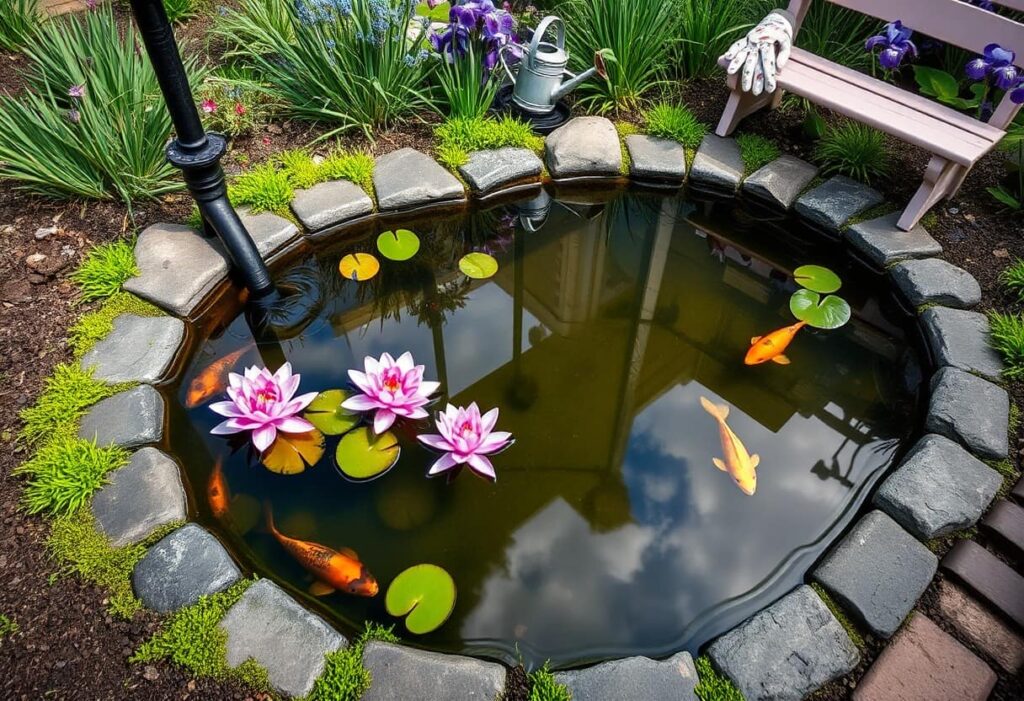
Transform your yard into a peaceful escape by installing a small pond fed by rainwater from a downspout.
This not only manages runoff effectively but also enhances the charm of your outdoor space.
Place the pond at least 10 feet from your home’s foundation to prevent water-related damage. Surround it with white natural stones and greenery to give it a more polished, tranquil look.
15. Dry Creek Beds
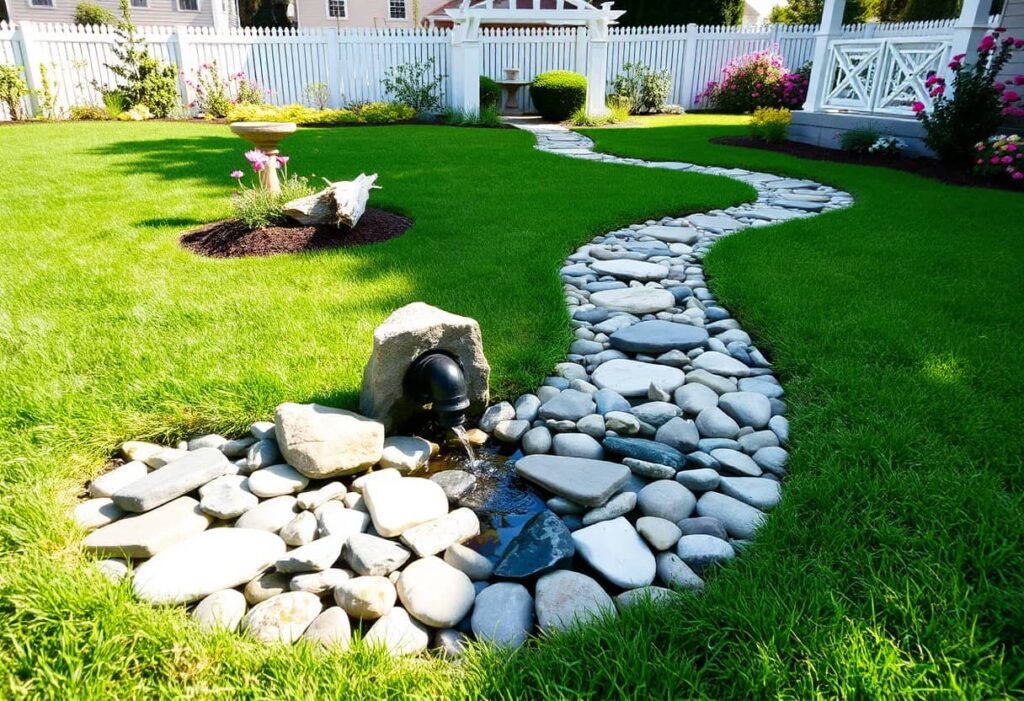
Made by lining a shallow trench with rocks or gravel, a dry creek bed mimics a natural stream and remains dry until rainfall activates its flow.
Beyond managing runoff, this feature doubles as an appealing landscape element. Enhancing it with plants adds texture and color that blend functionality with beauty in your outdoor space.
16. Cistern System
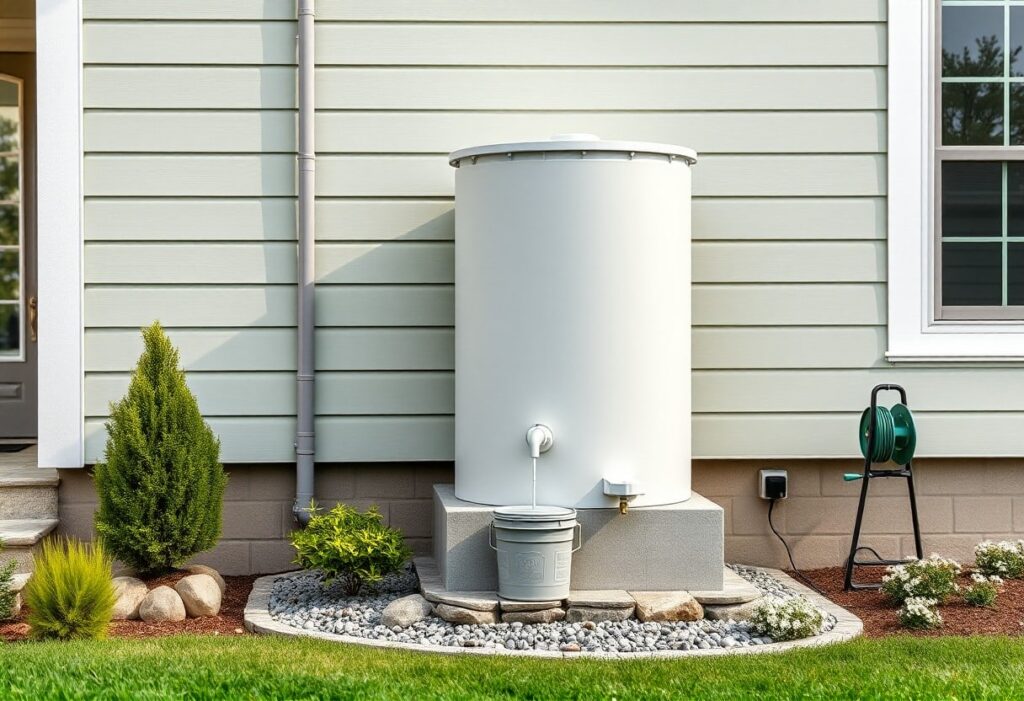
A cistern captures and stores rainwater from downspouts for future use. It’s larger than a typical rain barrel, and it provides an efficient way to conserve water, especially in regions facing drought.
Install the cistern above or below ground based on your space and needs. And then use it to turn runoff into a valuable resource, reducing dependency on external water supplies.
17. Trench Drain
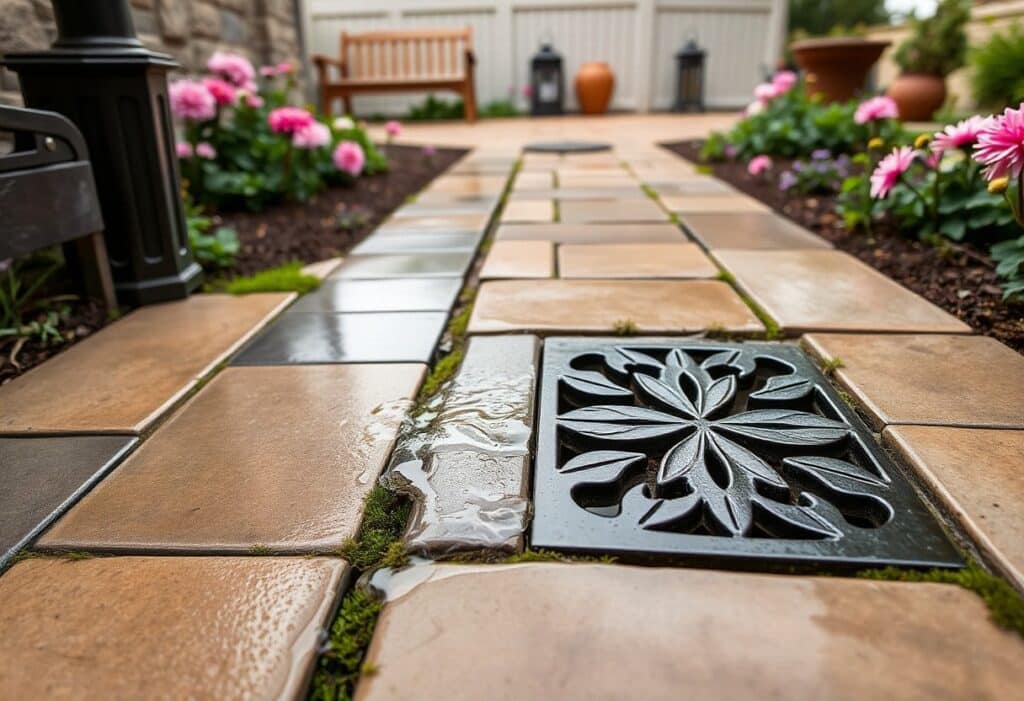
Combine a trench drain with your downspout to efficiently capture and redirect runoff, especially where hardscapes such as patios and walkways surround your home.
Align the end of the downspout with the trench drain inlet to ensure seamless water flow into the system. And maintain the drain’s performance by routinely clearing its grates and occasionally flushing out debris.