
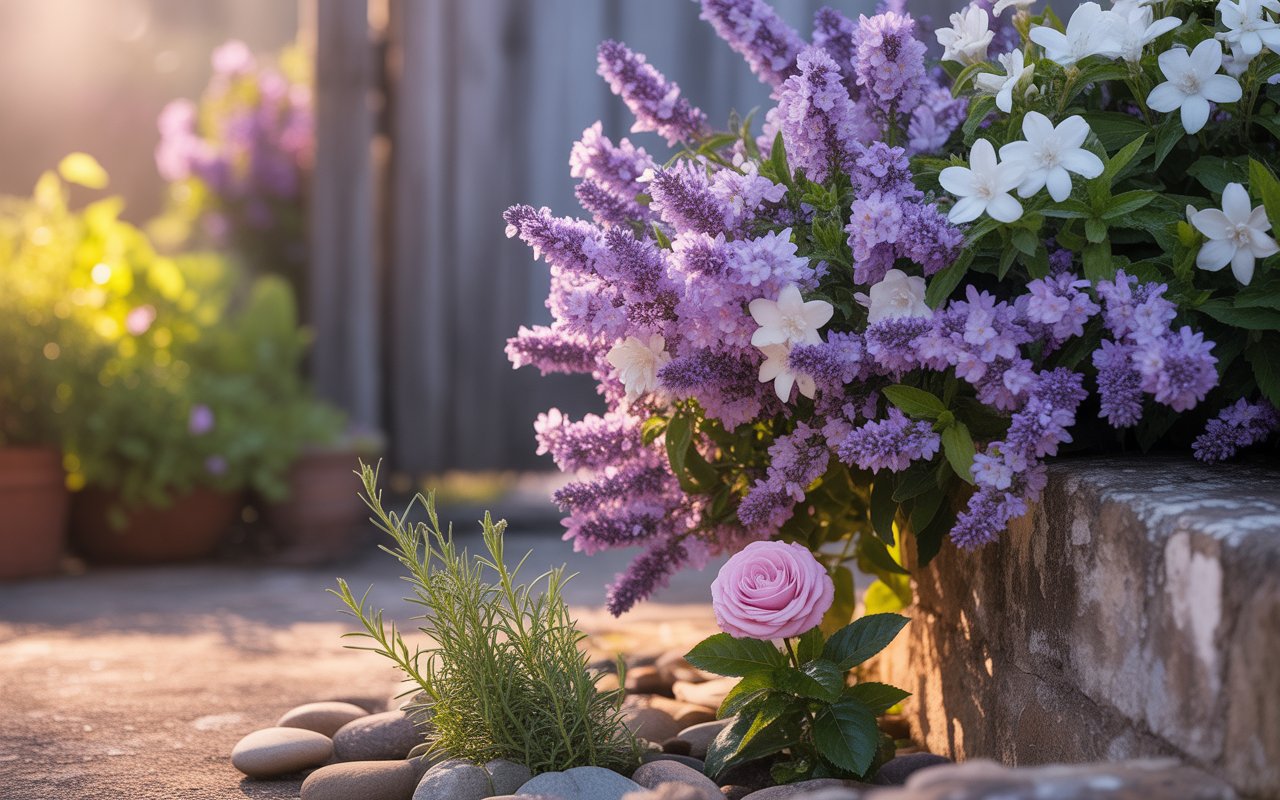
One of the simplest ways I’ve found to add an extra layer of life to my yard is through fragrance.
A well-placed lavender bush near a path, the scent of sweet alyssum drifting from a border, or the unmistakable perfume of roses in full bloom turn a yard into an experience – not just a space.
But creating that kind of atmosphere takes intention. You can’t just group every fragrant plant together and hope for the best. Some scents are soft and airy, while others are bold and intense. And when they compete for attention, the effect can be overwhelming.
The key is to get plant selection right. You have to think beyond just what smells good and focus on how different scents interact. And when selected with intention, these plants don’t just fill your yard with fragrance. They shape the entire experience.
From timeless classics like roses and lilacs to unexpected treasures like chocolate cosmos and scented geraniums, there’s no shortage of options to explore. So here are some of the most captivating fragrant plants that you can plant to make your yard smell good.
1. Magnolia

Hardiness Zones: 7 to 11
Magnolia is an evergreen flower plant with a sweet, citrusy fragrance layered with hints of lemon, vanilla, or spice. The scent peaks in the early morning and evening, while the tree’s glossy leaves and blooms add year-round beauty.
Magnolia thrives best in well-drained, slightly acidic soil with access to full sun or partial shade, and it requires protection against harsh winds and frost to do well. Ensure you have enough space in your yard before planting magnolia because it can spread up to 40 feet wide.
2. Gardenias
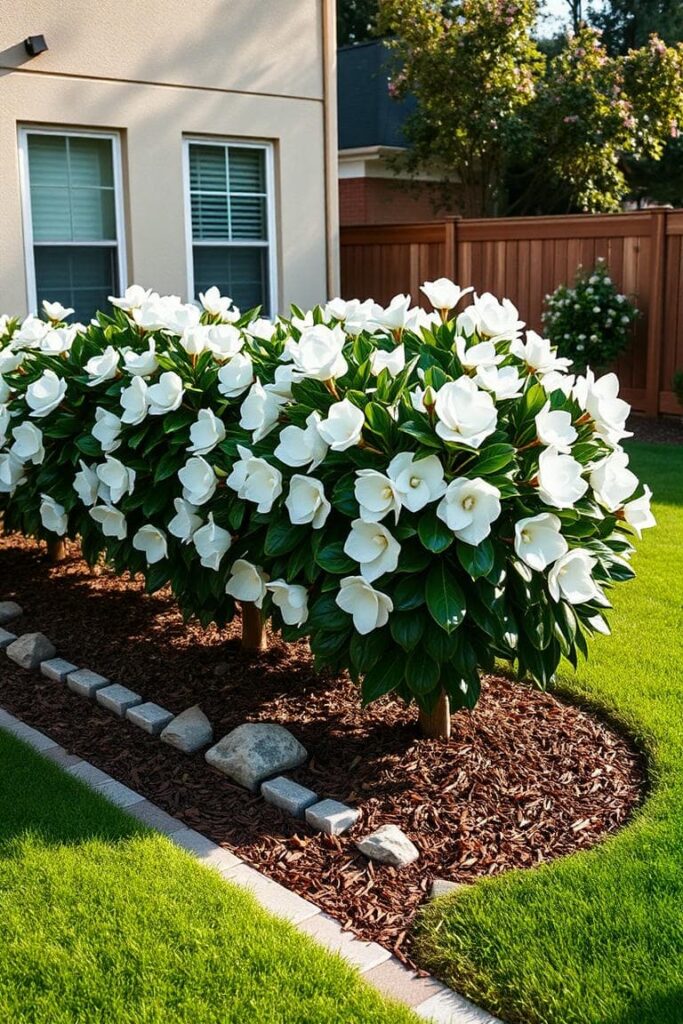
Hardiness Zones: 7 to 11
Add a touch of exotic elegance to your garden with Gardenias. Gardenias bloom in waves from late spring to early fall, with white or cream-colored fragrant flowers that exude timeless beauty.
Because they thrive in acidic soil and partial shade, gardenias are perfect for tucking beneath tall trees or lining shaded garden paths, where they can quietly perfume the air and elevate the mood.
3. Sweet Alyssum
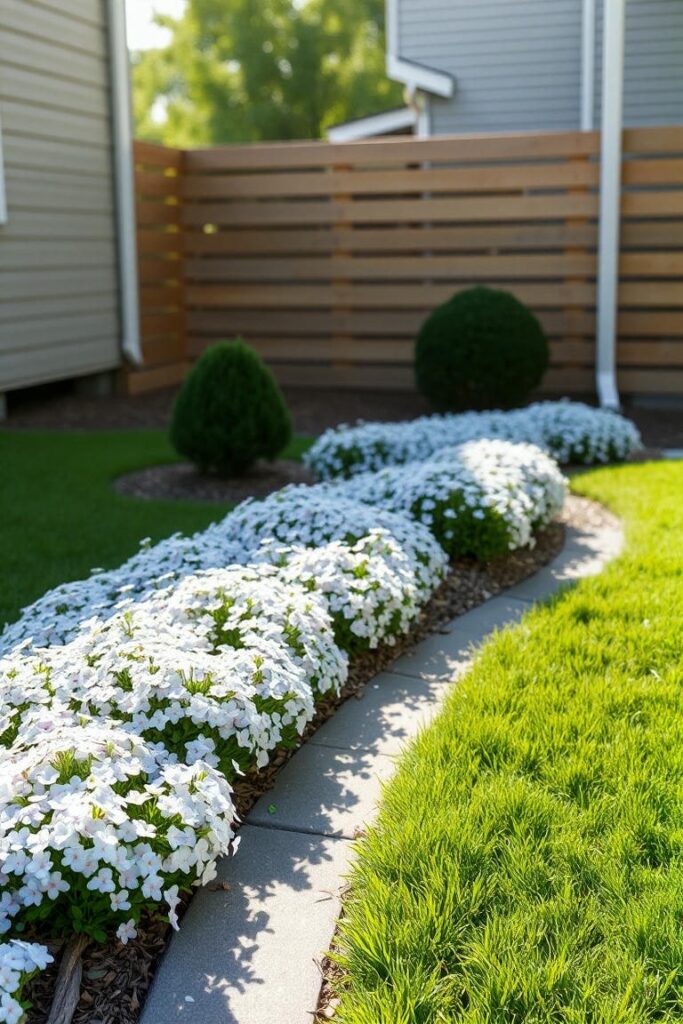
Hardiness Zones: 5 to 9
Sweet alyssum can bring both charm and fragrance to any landscape. With its delicate, honey-scented blooms, sweet alyssum makes a perfect option for ground cover, edges along paths, flower beds, containers, and hanging baskets.
Blooming in late spring with a possible encore in early fall, sweet alyssum’s tiny fragrant flowers draw in pollinators while the dense, matted foliage creates a soft, carpet-like effect. Choose between the mat-forming annual or short-lived perennial variety to suit your garden’s style and seasonal rhythm.
4. Roses
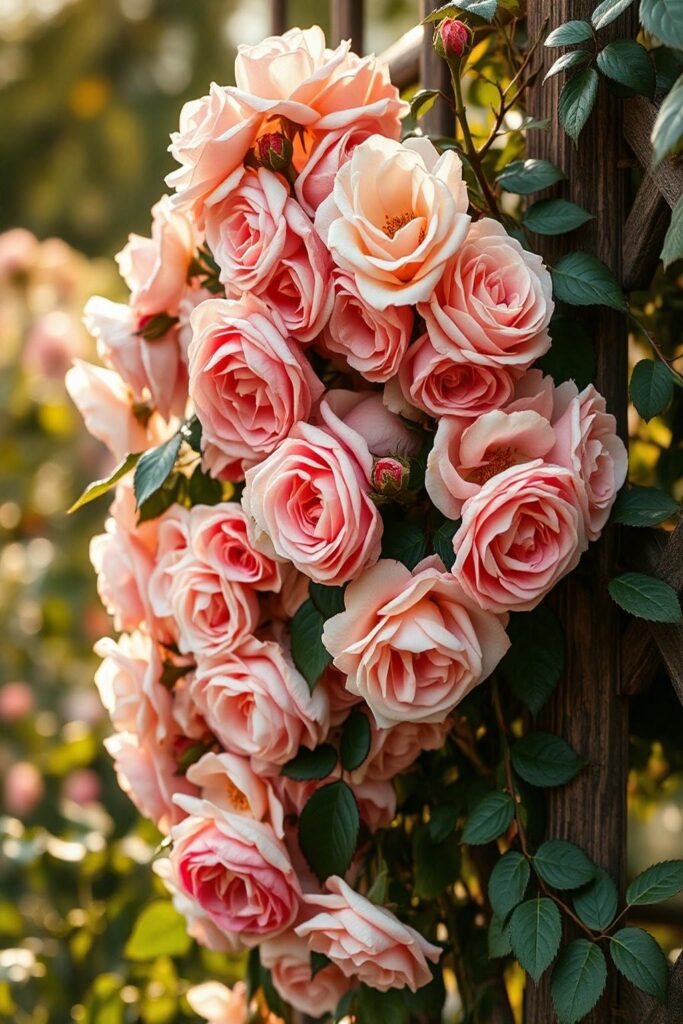
Hardiness Zones: 4 to 11
Roses are synonymous with romance and have a pleasant smell, ranging from subtle and sweet to rich and intense, with notes of citrus, apple, musk, and even chocolate, depending on the cultivar.
Aside from their aroma, this disease resistant plant can add color and elegance to your yard, as long as you plant it in a sunny location with good air circulation. You can grow them as specimen plants, hedges, and borders or train them to climb trellises and arbors.
5. Wisteria
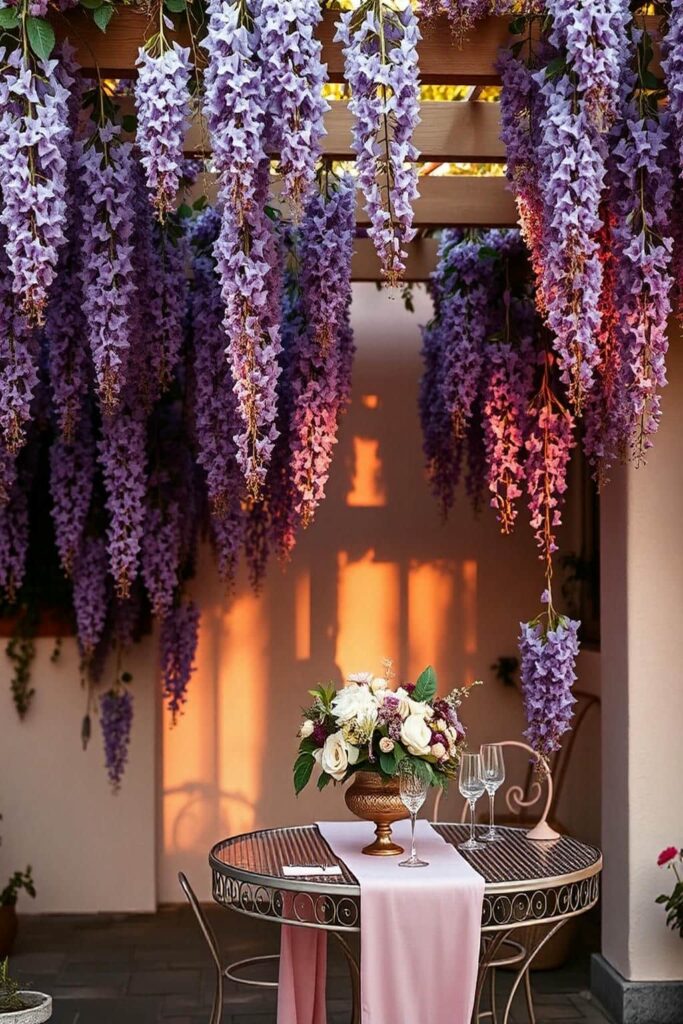
Hardiness Zones: 5 to 8
Grow wisteria if you’re after bold, fragrant centerpiece flowers that attract hummingbirds to your yard. This vine unfurls cascading clusters of sweetly scented blooms in late spring to early summer, turning pergolas, trellises, and lattice walls into living floral chandeliers.
Wisteria’s stems twist clockwise as they climb, so they need sturdy support to handle their strength and size. With graceful, pinnate leaves and swinging flower clusters as its signature, Wisteria delivers dramatic beauty with a head-turning scent.
6. Freesias
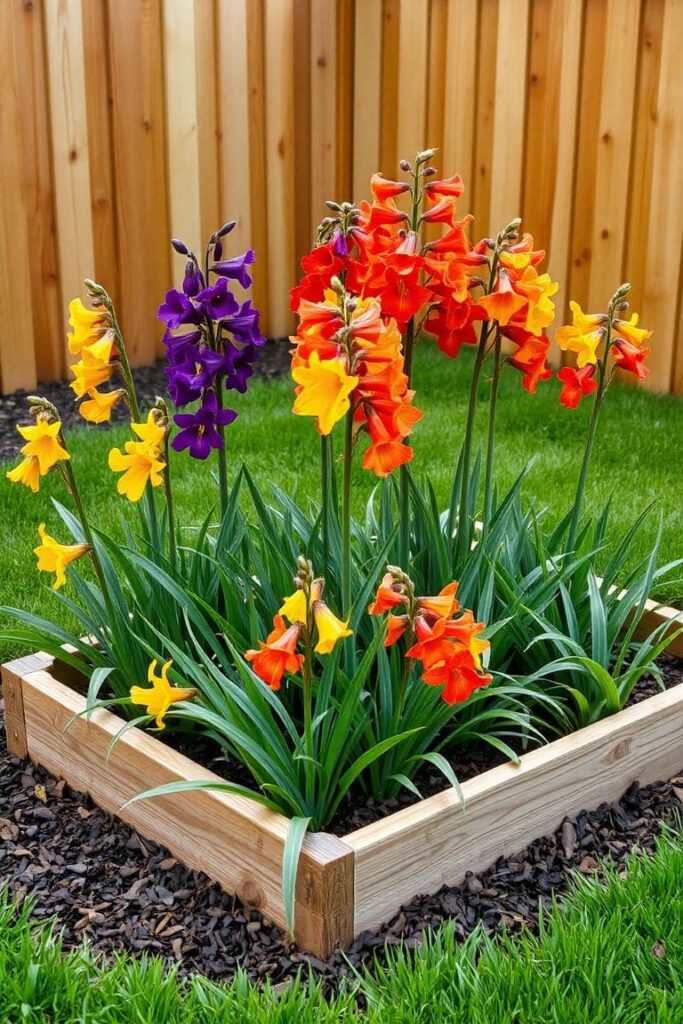
Hardiness Zones: 9 to 11
Add a burst of color and fragrance to your walkway or driveway by planting freesias along the edges.
Freesias are easy to grow and thrive in well-drained, organically rich soil. They love mild winters and dry, warm summers, but you can also grow them annually in cooler zones or overwintered indoors.
7. Peonies
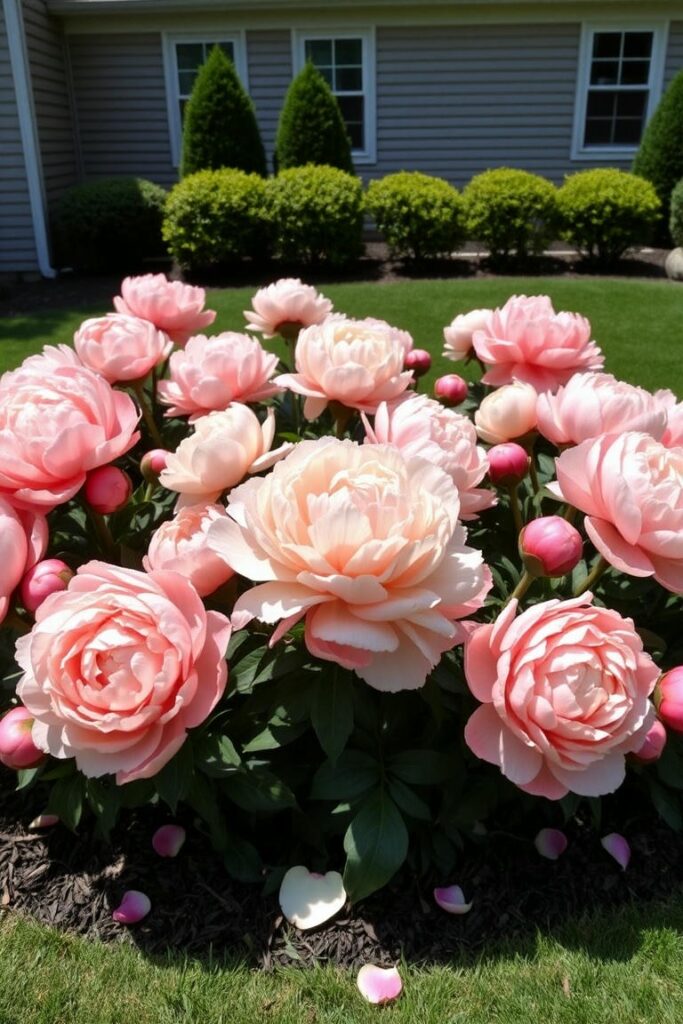
Hardiness Zones: 3 to 8
Peonies are full sun perennials that demand a bit of extra care, but their stunning payoff is well worth the effort. These bold bloomers boast lush, layered petals in a spectrum of colors (white, cream, pink, red, and even yellow) that add elegance to any garden.
For peonies to thrive, you have to plant them in fertile, humus-rich soil with a neutral to slightly alkaline pH, and ensure they soak up 6–8 hours of full sun each day.
8. Jasmine
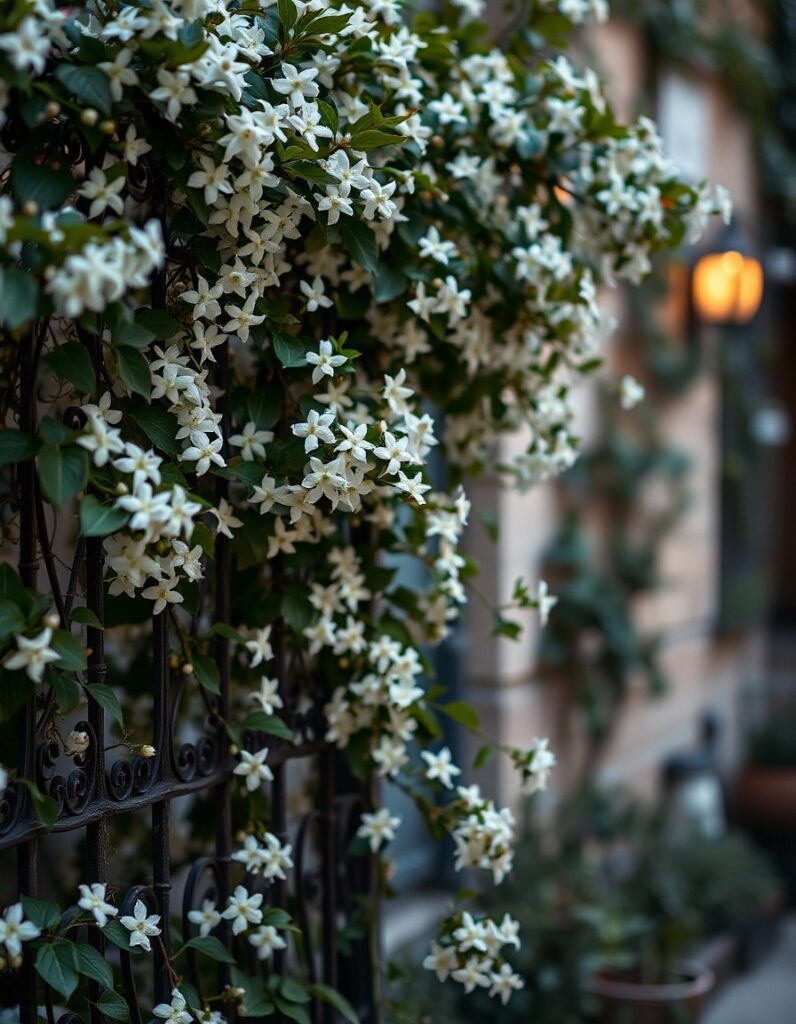
Hardiness Zones: 6 to 11
Jasmine is a beloved garden staple, cherished for its intensely sweet and exotic scent with undertones of citrus, honey, or spice. Its star-shaped blossoms come in delicate shades of white, pink, and yellow for fragrance and visual charm.
For the most aromatic varieties, opt for common jasmine, wild jasmine, angel wing jasmine, lemon-scented jasmine, or Arabian jasmine to fill your outdoor space with irresistible fragrance.
9. Honeysuckle
Hardiness Zones: 5 to 9
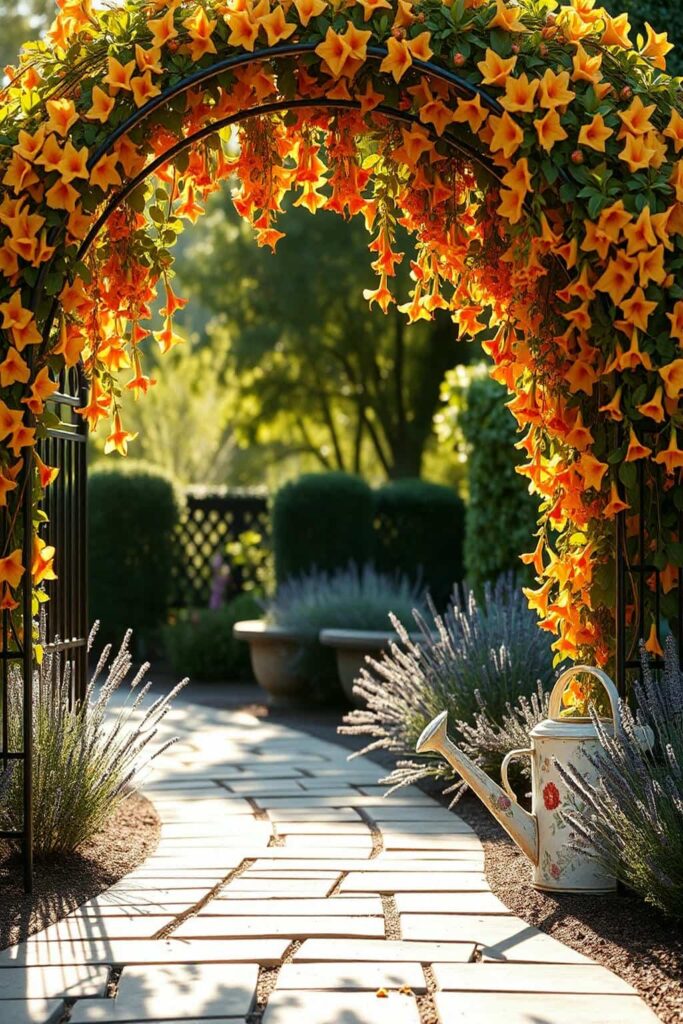
Add charm and fragrance into your garden with honeysuckle by training it to drape over fences, trellises, arbors, or walls. It also makes a lush, sweet-smelling ground cover in borders or rock gardens. The tubular, clustered blooms burst with vibrant color and release a rich, honey-like scent that fills the air.
These resilient climbers flourish in both full sun and partial shade, preferring well-drained soil that stays consistently moist. With regular watering during dry spells, honeysuckle rewards you with an enchanting, aromatic display season after season.
10. Hyacinths
Hardiness Zones: 4 to 8
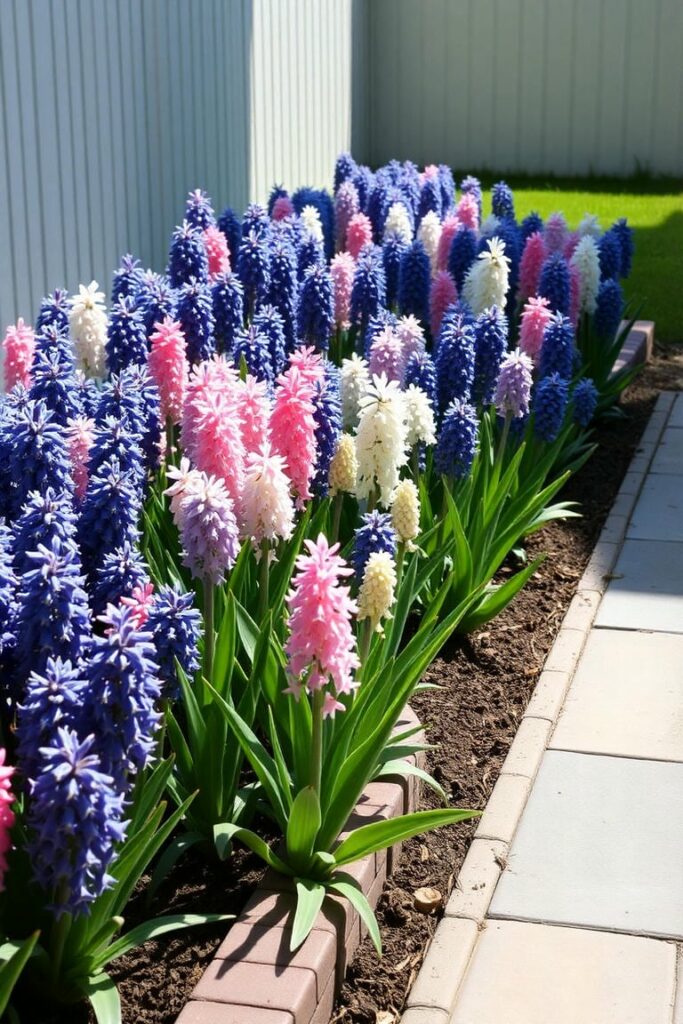
Hyacinths are striking spring bloomers known for their vivid, clustered fragrant flowers and their intoxicating fragrance. Their dense spikes of bell-shaped blooms sit atop upright stems and release a sweet, spicy aroma reminiscent of cloves or honey.
To enjoy their springtime splendor, plant hyacinth bulbs in the fall. After flowering, allow the foliage to die back naturally to help nourish the bulbs for next year’s show.
11. Daphne
Hardiness Zones: 7 to 9
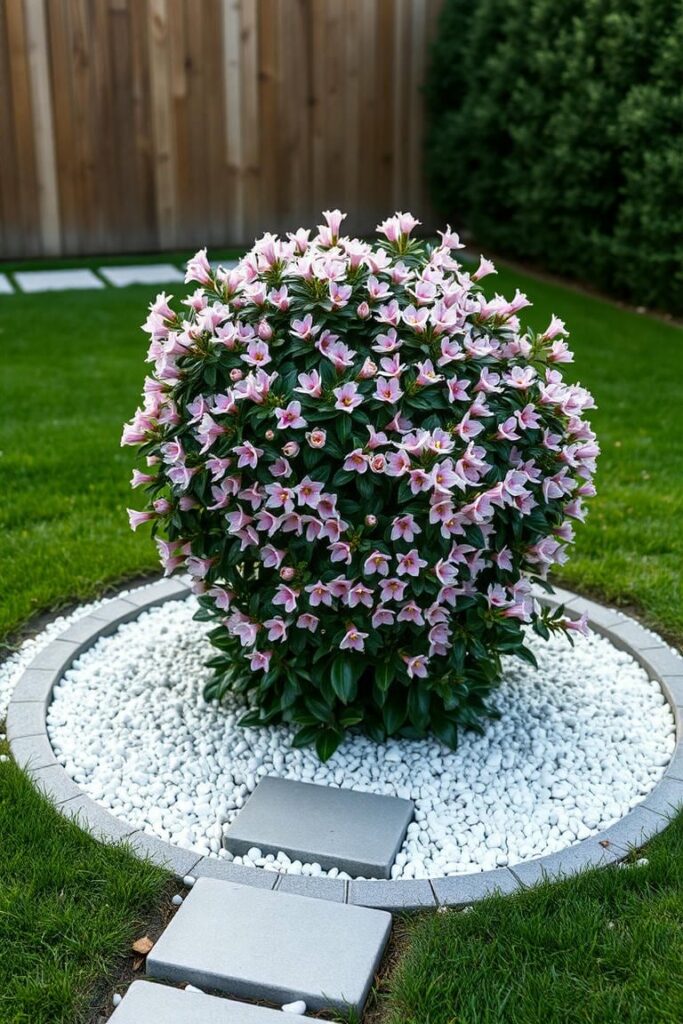
Bask in the enchanting aroma of this stately evergreen shrub, where early mornings and dusky evenings come alive with sweet, lemony notes touched by vanilla and spice. Its large, waxy leaves and beautifully fragrant blossoms offer a sensory experience as rich as its visual appeal.
Daphne can span up to 40 feet across, so you need to make room for its grandeur. Plant it in slightly acidic, well-drained soil with ample sunlight or partial shade to keep it healthy. Shield it from harsh winds and frost to ensure this aromatic giant thrives in your landscape.
12. Heliotropes
Hardiness Zones: 9 to 11
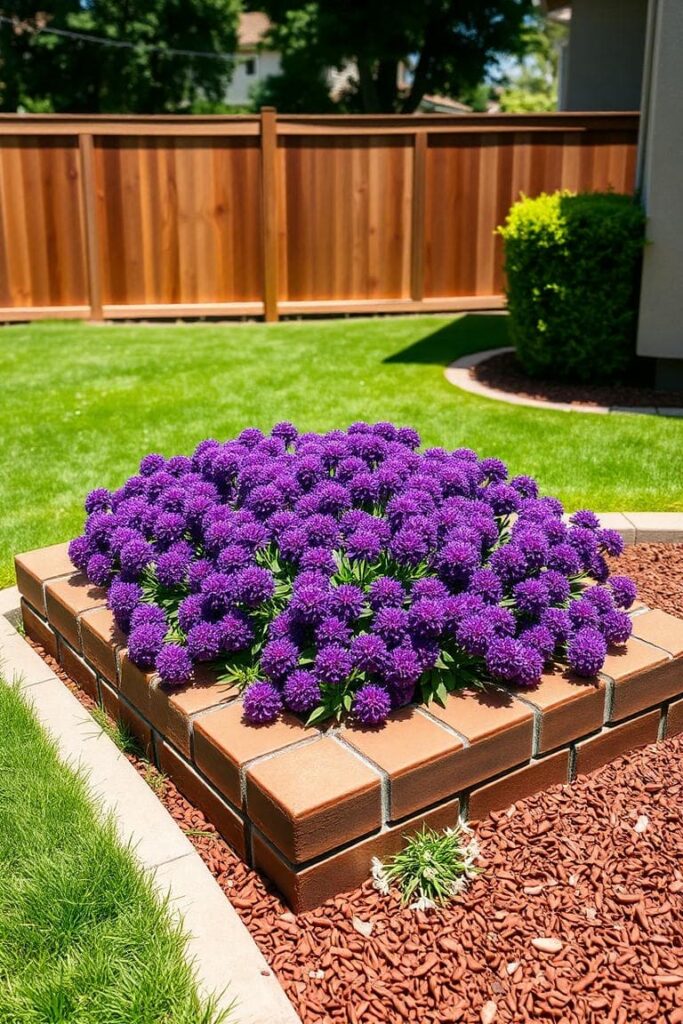
Heliotropes are popular for their sweet, vanilla-like scent that evokes cherry pie or almond extract. You can grow these bushy, evergreen shrubs as annuals or tender perennials in cooler climates.
Their rich clusters of violet-blue or deep purple blooms are visually striking, while the dark green leaves, sometimes tinged with purple in cool weather or bright sun, can add both depth and contrast to your yard.
13. Chocolate Cosmos
Hardiness Zones: 9 to 11
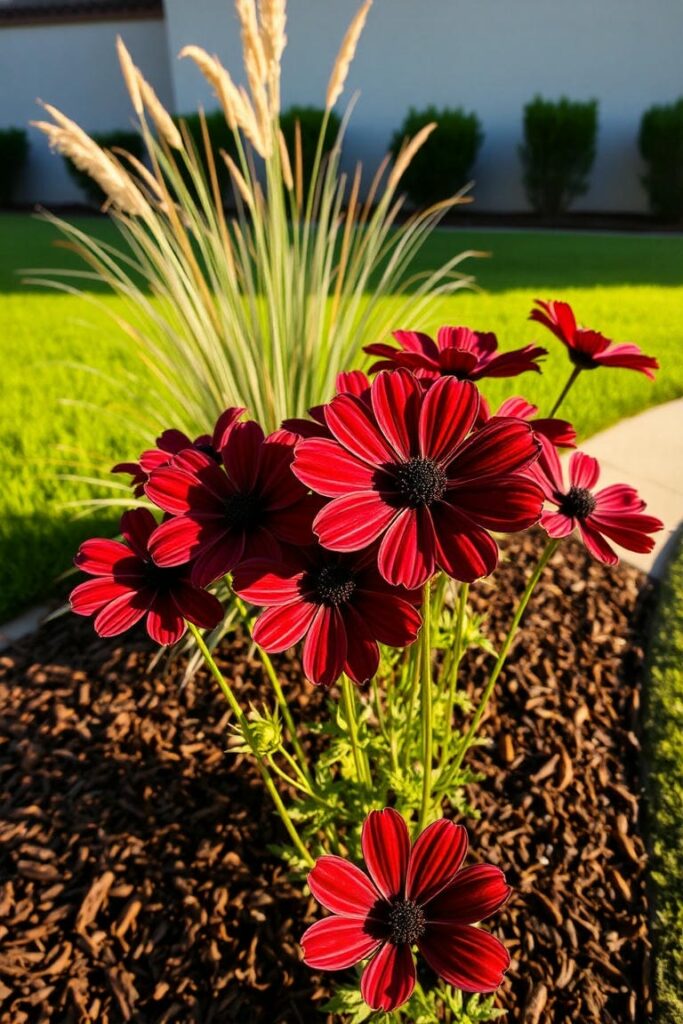
Chocolate cosmos are deep maroon, velvety fragrant flowers that offer a striking contrast against dark green, lance-shaped leaves that add elegance and a bit of drama to garden beds. This unique bloomer pairs beautifully with companions like lavender, salvia, and ornamental grasses for shade.
You can grow chocolate cosmos from seed or by dividing mature clumps. So it’s a good option to consider if you’re looking to add both scent and sophistication to your outdoor space.
14. Lilac
Hardiness Zones: 2 to 7
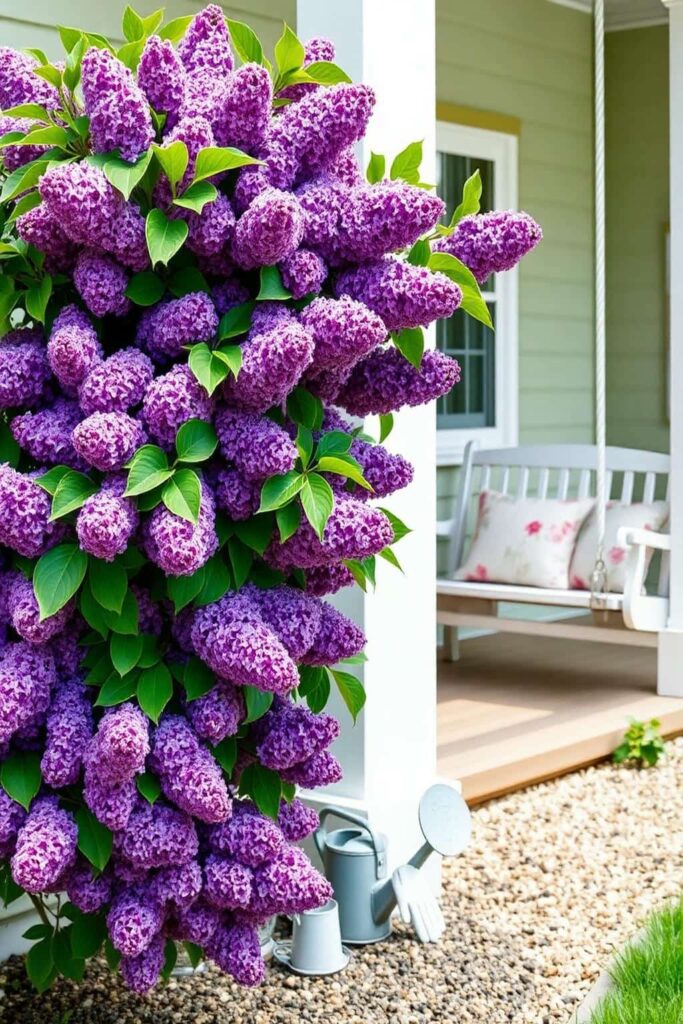
Lilacs have an unmistakable sweet, floral scent layered with vanilla and honey undertones. Their small, tubular blooms form dense clusters in shades ranging from white and pink to lavender, purple, and even blue.
Plant popular varieties like the Japanese tree lilac or common lilac as a show-stopping focal point or use them as fragrant, flowering hedges to define your garden space.
15. Sweet Peas
Hardiness Zones: 2 to 10
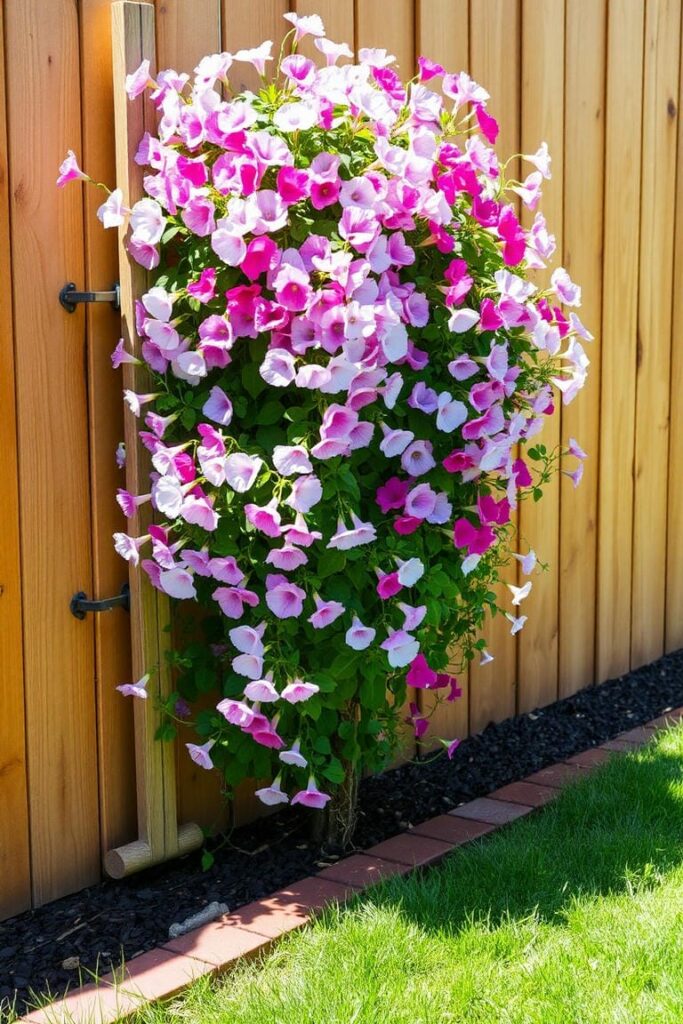
Sweet peas are charming annual climbers with fluttery, butterfly-shaped blossoms in soft pastel hues and a captivating scent tinged with honey and citrus. Their slender stems and curling tendrils make them perfect for dressing up fences, trellises, or arches with a cascade of color and fragrance.
Plant sweet pea seeds in early spring because they thrive in cooler weather. Provide them with sturdy supports and generous spacing to promote airflow and healthy growth.