

Those bare, shady spots under your trees don’t have to stay dull and lifeless. With a little creativity and the right plant choices, you can turn that underused space into one of the most beautiful features of your yard.
Gardening under trees means dealing with limited sunlight and root competition. Still, you can experiment with plants that thrive under dappled light and filtered shade.
This article gives you 10+ stunning plant ideas you can grow under trees, along with practical tips to help you get the best results – from soil prep to smart watering techniques.
16 Best Plants to Grow Under Trees
The best plants you can grow under trees include ground covers, flowers, perennials, shrubs, evergreen plants, and native plants. Below are some great choices to consider:
1. Liriope
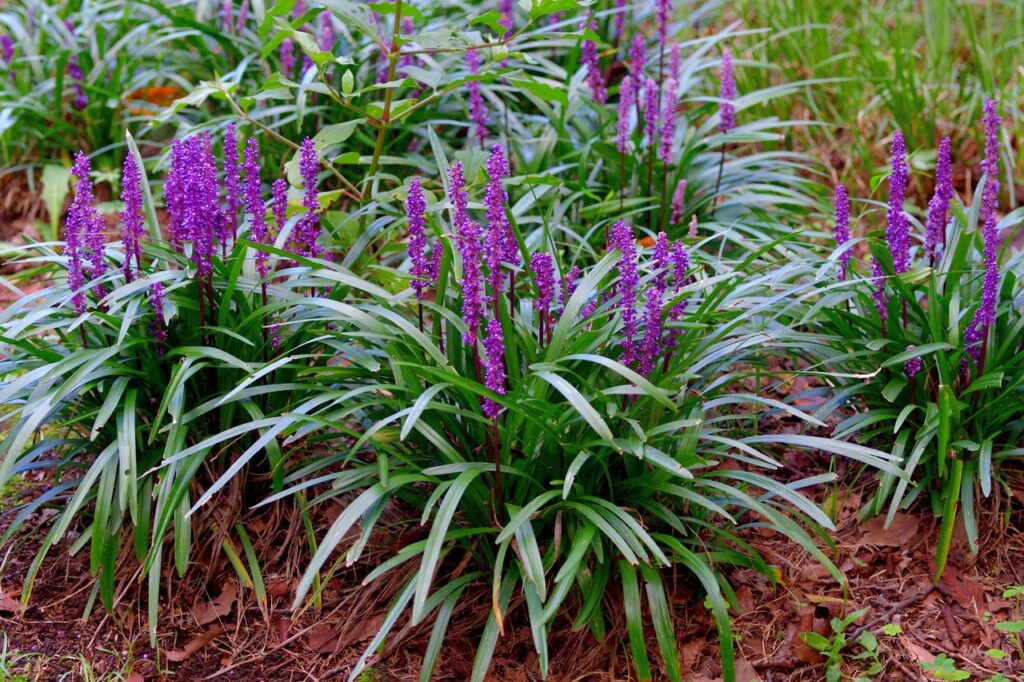
Hardiness Zones: 4 to 10
Liriope is a striking evergreen ground cover with grass-like, strappy foliage. It produces spikes of small, bell-shaped flowers in purple, white, or lavender from late summer to early fall, making it a great option for adding seasonal color to shaded areas.
In addition to its visual appeal, Liriope spreads effectively to control erosion and requires minimal upkeep. It is also naturally resistant to pests, making it a reliable and low-maintenance choice for under-tree planting.
2. Japanese Pachysandra
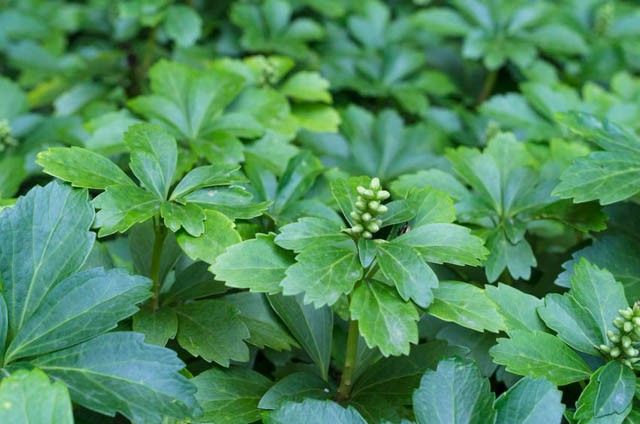
Hardiness Zones: 4 to 9
Pachysandra is ideal for heavily shaded areas. Its glossy, dark green foliage remains vibrant year-round and offers continuous visual coverage beneath trees or in low-light garden zones.
Spreading by rhizomes, Pachysandra forms a dense mat that effectively suppresses weeds and reduces soil erosion. Occasional thinning or trimming is ideal o maintain its shape and prevent it from overtaking nearby plants.
3. Vinca Minor (Periwinkle)
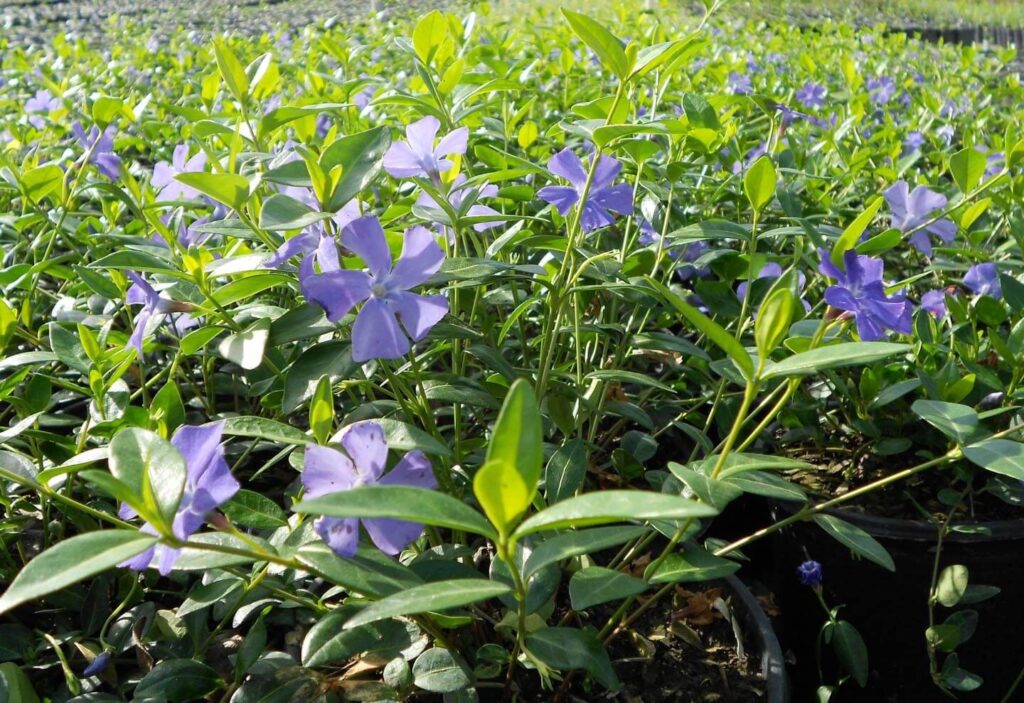
Hardiness Zones: 4 to 9
Vinca Minor can do well in shaded or partially shaded areas beneath trees. Its dark, glossy green leaves provide year-round coverage that enhances the visual appeal of the landscape.
This low-maintenance plant spreads rapidly, forming a dense mat that suppresses weed growth and helps prevent soil erosion, especially on slopes or in areas prone to runoff.
4. Viburnum
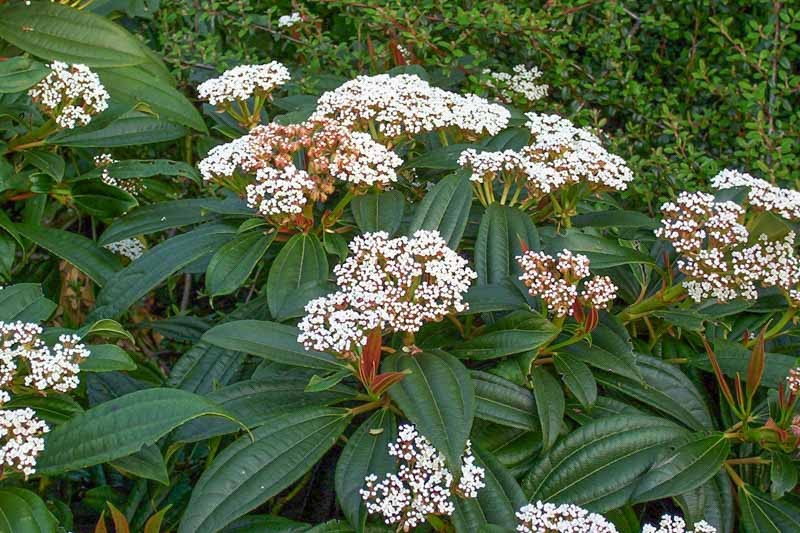
Hardiness Zone: 2 to 9
Viburnum shrubs offer a blend of beauty and function, with clusters of white or pink flowers that bloom in spring, complemented by lush, vibrant foliage. Some varieties produce colorful berries that add seasonal interest and attract wildlife.
For planting under trees, opt for smaller varieties such as Korean Spice Viburnum, which thrives in partial shade and adds fragrance and texture to shaded garden areas without overwhelming the space.
5. Bleeding Heart
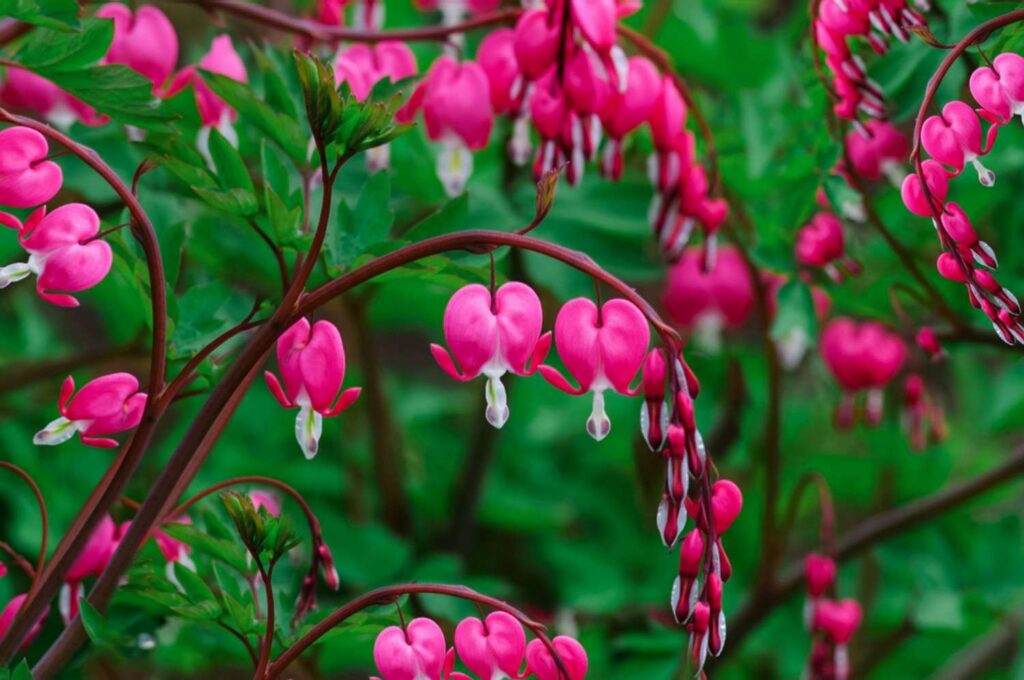
Hardiness Zones: 3 to 9
Bleeding heart is a shade-loving flowering plant known for its delicate, fern-like foliage and distinctive heart-shaped flowers.
The plant boasts of a unique, dangling drop-like form, which adds charm and elegance to shaded garden areas. And it thrives in cool, moist conditions and prefers partial to full shade.
6. Astilbe
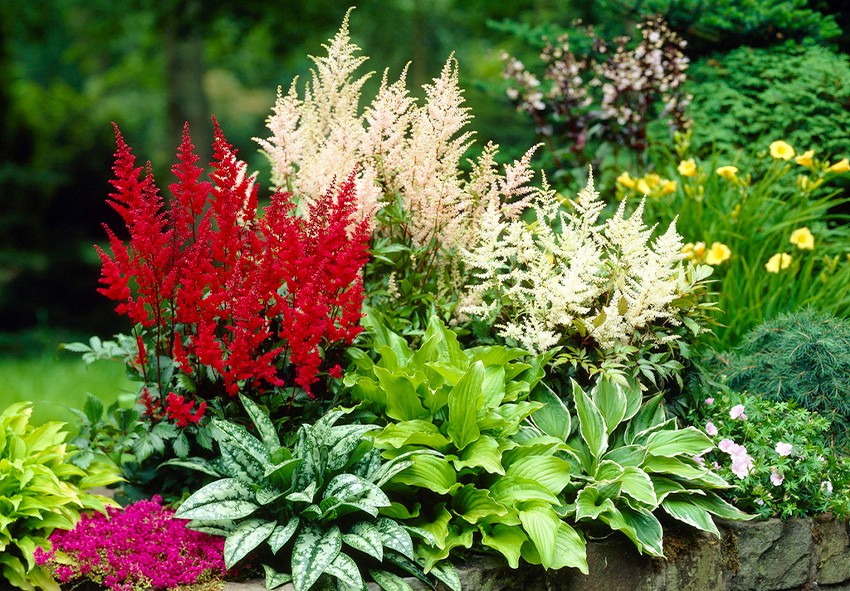
Hardiness Zones: 3 to 8
Astilbe is an elegant perennial plant known for its feathery plumes of pink, white, red, and lavender flowers. It thrives best in cool, most conditions and its fern-like green foliage adds texture and visual interest even when not in bloom.
For under-tree plantings, select shorter Astilbe varieties to ensure they fit comfortably within the available space while enhancing the garden’s charm.
7. Bergenia
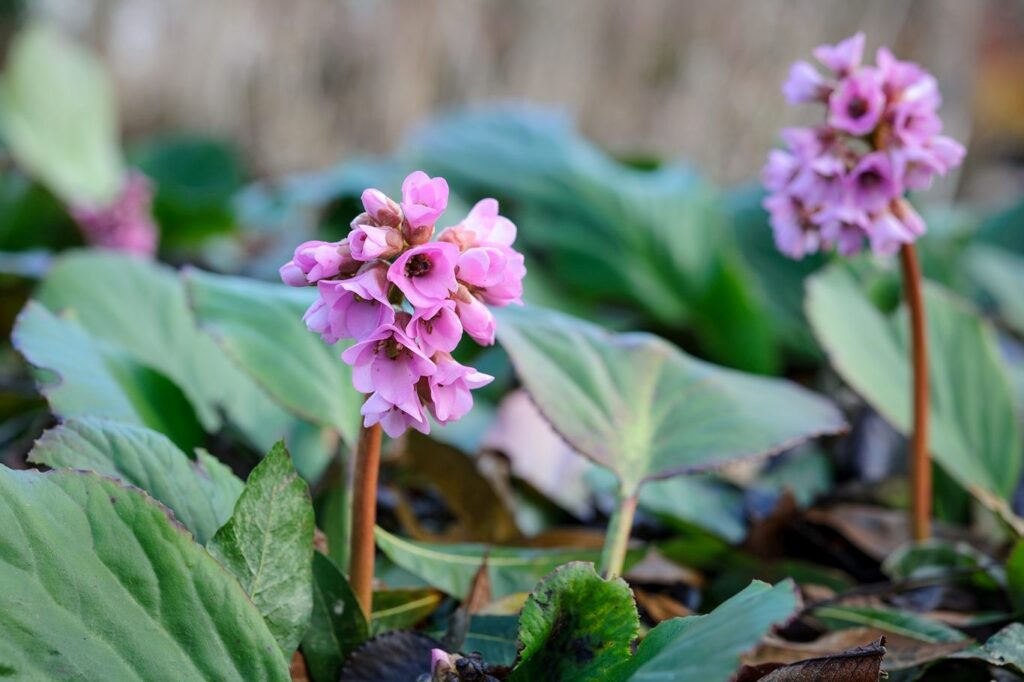
Hardiness Zones: 3 to 8
Bergenia is a hardy perennial that thrives in shaded areas and is well suited for colder climates due to its excellent tolerance of low temperatures. Its durability and ability to grow in challenging conditions make it a popular ground cover to consider.
Some Bergenia varieties even prefer poor soil, which can enhance their appeal by turning the leaves a reddish hue during fall and winter. This seasonal color change adds visual interest and resilience to under-tree plantings.
8. Hellebores
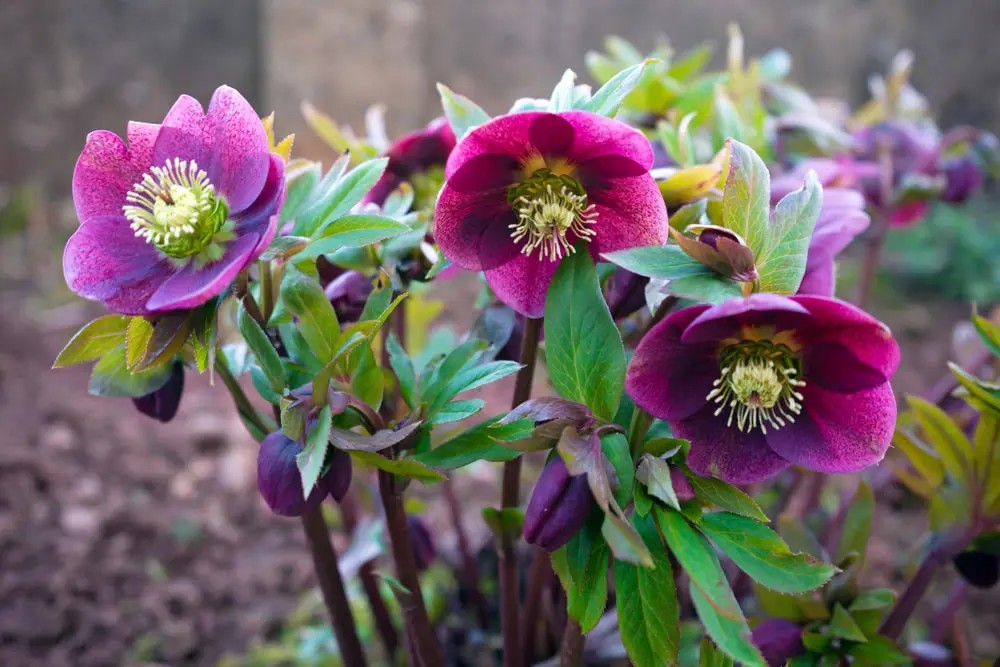
Hardiness Zones: 3 to 9
Hellebores are shade-loving perennials known for their early spring blooms. These hardy plants thrive in dry shade but perform best with consistent watering, especially during dry periods.
Their elegant, long-lasting flowers appear when most other plants are still dormant, so they bring color and charm to shaded garden areas beneath trees at the start of the growing season.
9. Hostas
Hardiness Zones: 3 to 9
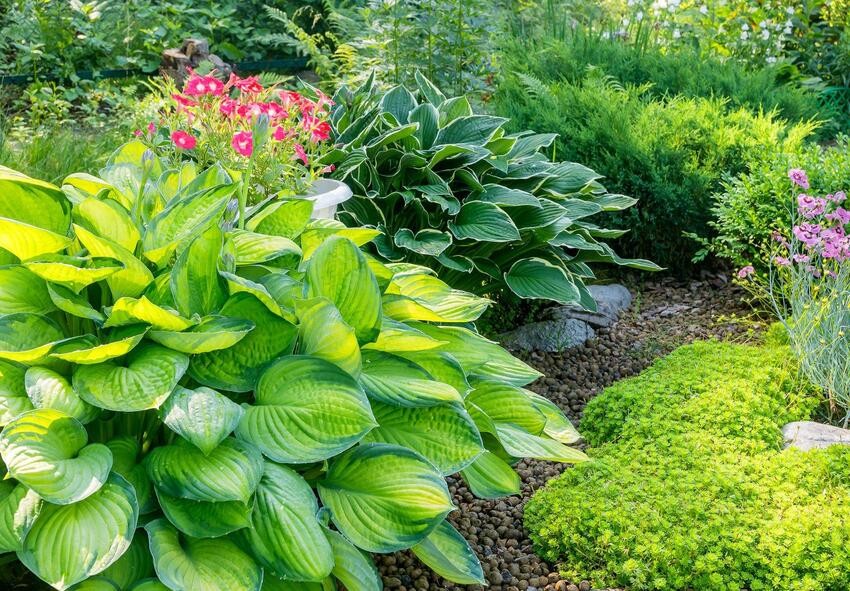
Hostas thrive under trees where less hardy plants often struggle. They appeal for their striking foliage, which comes in a variety of colors and patterns that range from solid green to variegated blends of white, yellow, or bluish-green.
In addition to their broad, heart-shaped, narrow, or lanceolate leaves, Hostas produce tall flower stalks bearing white, lavender, or pink blooms. Their adaptability and visual appeal make them a reliable and elegant choice for shaded garden areas.
10. Japanese Pieris
Hardiness Zones: 4 to 8
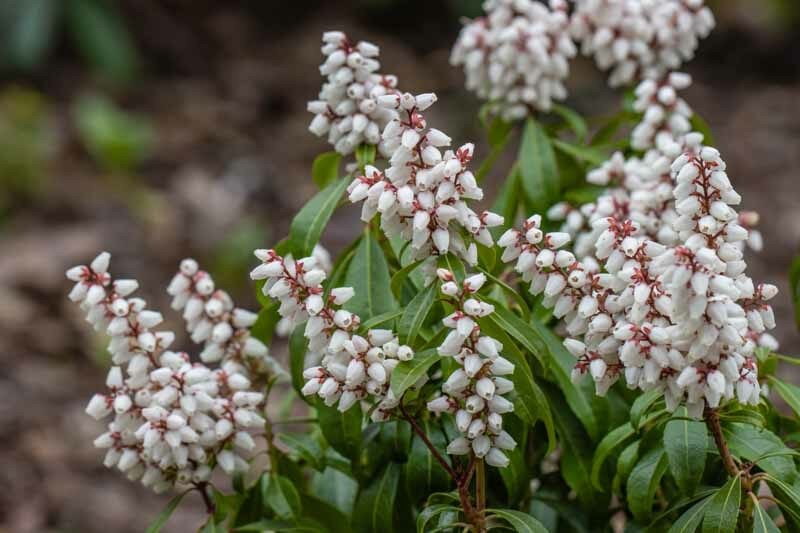
Japanese Pieris is a striking evergreen shrub ideal for planting beneath trees, where its graceful form and rich foliage add year-round interest. Its leathery, lance-shaped leaves emerge in vibrant shades of bronze or red during spring before maturing to a deep green.
In addition to its foliage, Japanese Pieris produces cascading clusters of bell-shaped flowers, enhancing shaded garden areas with texture, color, and visual depth. Its ability to thrive in filtered sunlight and moist, acidic soil makes it a valuable addition to understory landscapes.
11. Japanese Skimmia
Hardiness Zones: 6 to 8
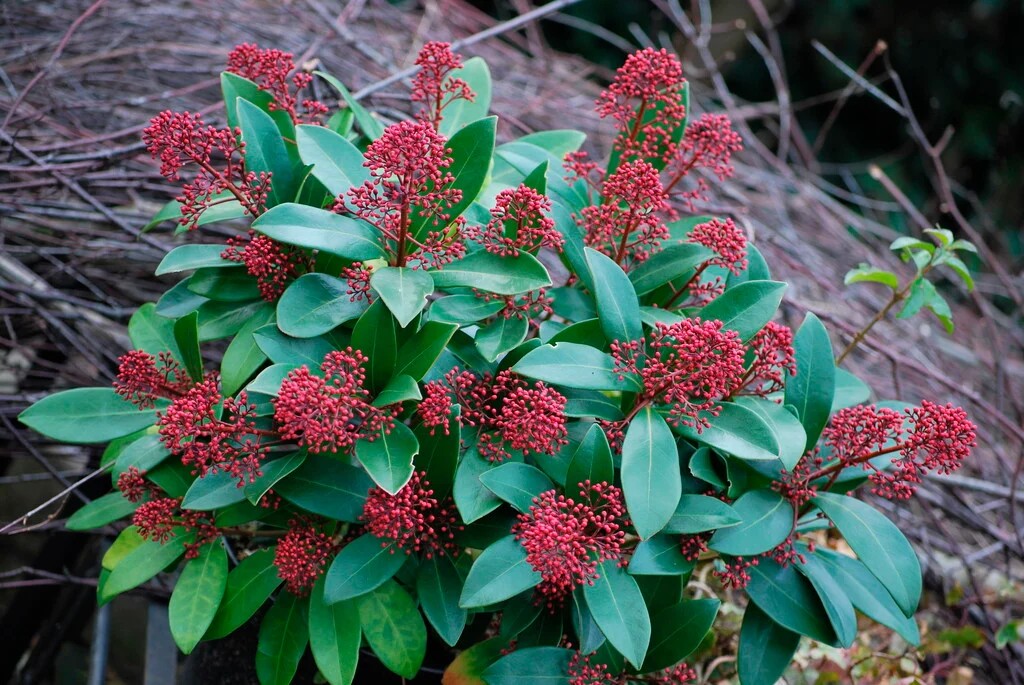
Japanese Skimmia is an excellent choice for adding color and fragrance beneath trees. This evergreen shrub features glossy, leathery green leaves that provide year-round interest in shaded garden areas. It thrives in sheltered spots with partial to full shade, making it ideal for under-tree planting away from intense, direct sunlight.
In spring, Japanese Skimmia produces clusters of fragrant white or creamy-yellow flowers, which enhances the garden with both beauty and scent.
12. Leucothoe
Hardiness Zones: 4 to 8
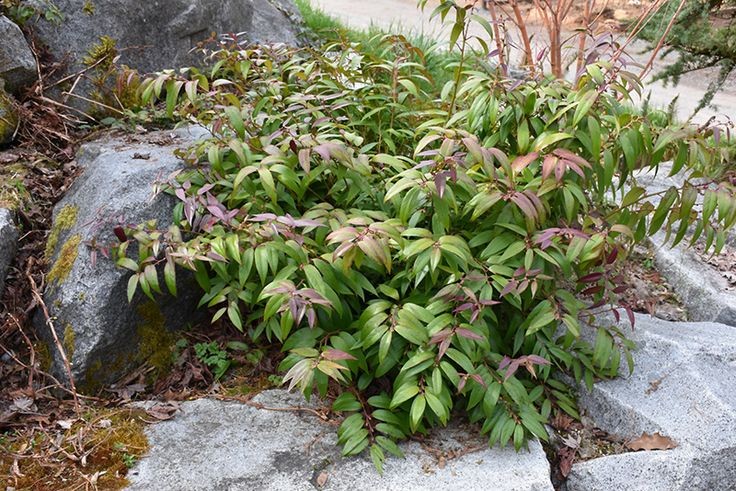
Leucothoe is a versatile evergreen shrub for woodland gardens, border plantings, or as ground cover beneath trees where shade limits other plants. Commonly used as an understory plant, it thrives in filtered sunlight and moist, acidic soil.
Its standout feature is the glossy, leathery foliage that maintains vibrant color throughout the year, adding texture and visual appeal to shaded spaces.
13. Yews
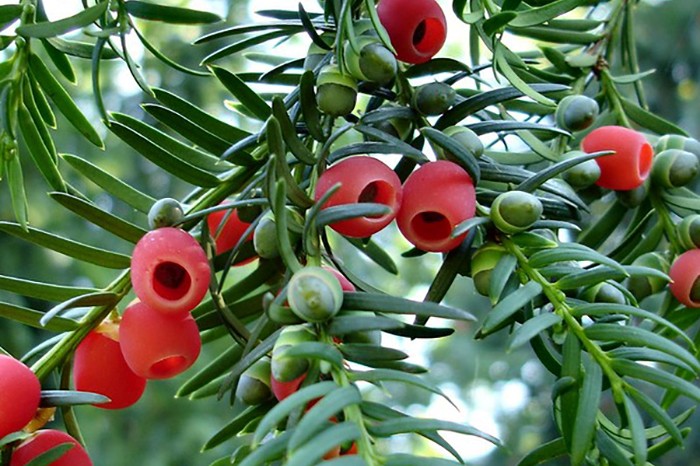
Hardiness Zones: 2 to 10
Yews are evergreen shrubs known for their dense, dark green foliage that offer year-round appeal and color beneath trees. They thrive in full sun, shade, or dappled sunlight, and are therefore highly adaptable to a variety of landscape conditions.
Ideal for under-tree planting, Yews are also valued for their versatility in design. You can prune and shape them into formal hedges, rounded mounds, or other decorative forms to suit your garden style.
14. Coral Bells
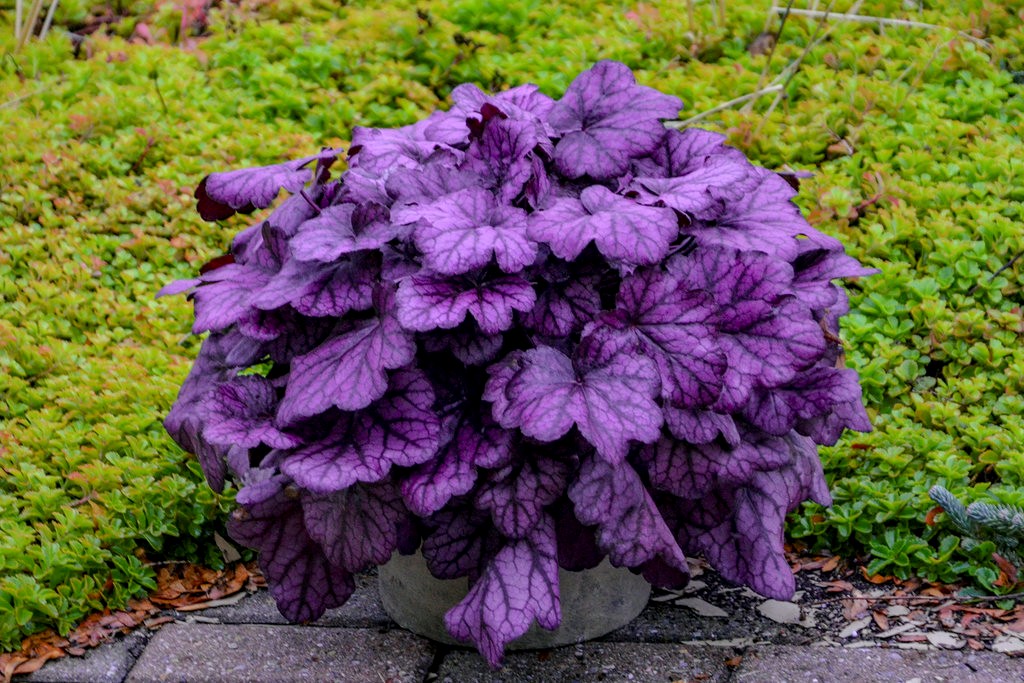
Hardiness Zones: 4a to 9a
Coral Bells are shade-tolerant perennials that flourish in partial to full shade with well-draining soil. They are vibrant with multi-colored foliage that adds texture and contrast to shaded areas.
In addition to their striking leaves, Coral Bells produce delicate, bell-shaped flowers on slender stems from spring to early summer and offer subtle seasonal blooms that complement their bold foliage.
15. Wild Ginger
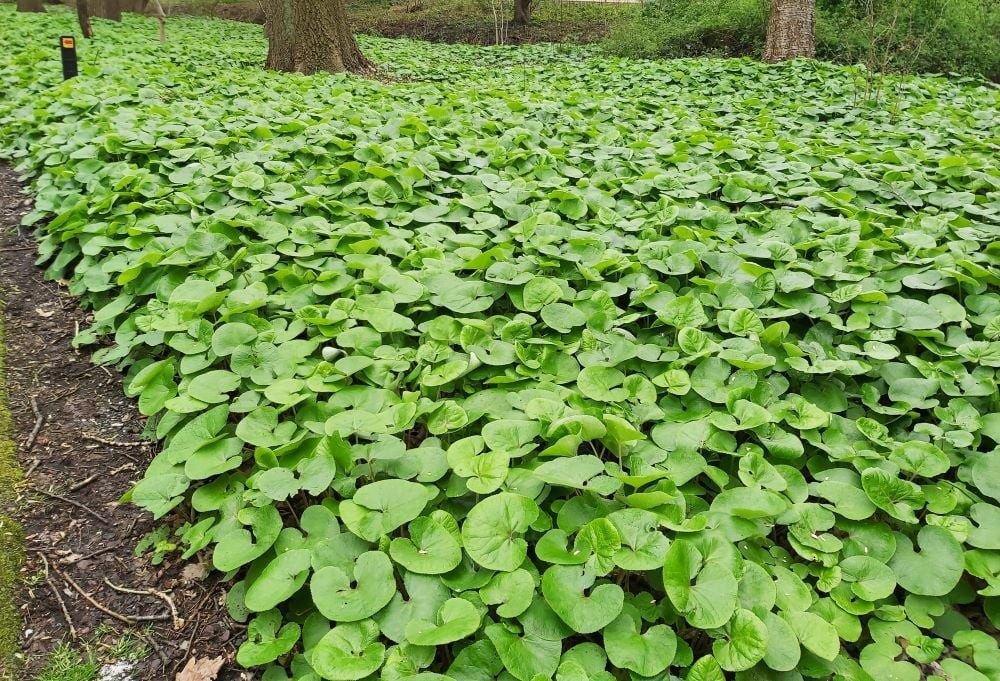
Hardiness Zones: 3 to 7
Wild ginger thrives under tree canopies protected from direct sunlight. Despite its name, wild ginger is not edible and bears no relation to culinary ginger.
This ground cover is famous for its glossy or velvety heart-shaped leaves that create a lush, low-growing mat. Hidden beneath the foliage are their distinctive maroons, brown, or purplish flowers, which add a touch of mystery and charm to shaded garden spaces
Easy Tips to Help You Grow Plants Under Trees
The following tips can help you grow plants under trees and get the best results for your landscape design all year round:
1. Choose Plants Suited for Your Planting Zone
Understanding your planting zone helps you choose plant species that can handle local conditions, such as frost in colder areas or heat in warmer zones.
Additionally, consider microclimates beneath trees and the level of shade provided by the canopy. For areas with limited sunlight, opt for shade-tolerant or partial shade plants that can grow well under tree cover to ensure plant health and garden longevity.
2. Dig Holes Carefully
It’s important to protect the tree’s roots while creating suitable conditions for new plants to thrive. So, choose spots with looser soil or fewer visible roots to reduce disruption, and opt for shallow planting to minimize impact.
Use small hand tools like trowels or gardening forks for better precision and control. If you encounter roots, gently detangle smaller ones and avoid cutting larger roots by adjusting your planting location. This careful approach helps maintain tree health while supporting successful plant growth.
3. Mulch Properly
Applying mulch around trees and new plants helps retain soil moisture, reduces competition from weeds and grass, and promotes healthier plant growth. It also insulates the roots and improves soil quality over time.
Avoid piling mulch directly against tree trunks, as this can trap moisture, attract pests, and lead to rot. Instead, spread the mulch evenly in a doughnut shape around the base to leave space around the trunk clear.
4. Water Your Plants
When planting under trees, select plants that can tolerate the available moisture levels, as they’ll compete with the tree for water. Opt for species adapted to drier conditions if the tree absorbs much of the soil moisture.
Water new plants properly, but do so infrequently to promote strong root growth. Adjust your watering schedule based on the weather, making sure you water more often during hot, dry spells and reducing the frequency during cooler and rainy periods to avoid overwatering.
5. Trim the Trees
To improve light conditions, prune or thin the canopy of your trees to allow more sunlight to filter through to the plants.
Raising the lower branches also increases vertical space and enhances light penetration. This creates a favorable environment for the plants below. Moreover, proper pruning not only supports under planting but also maintains the overall health and shape of the tree.