
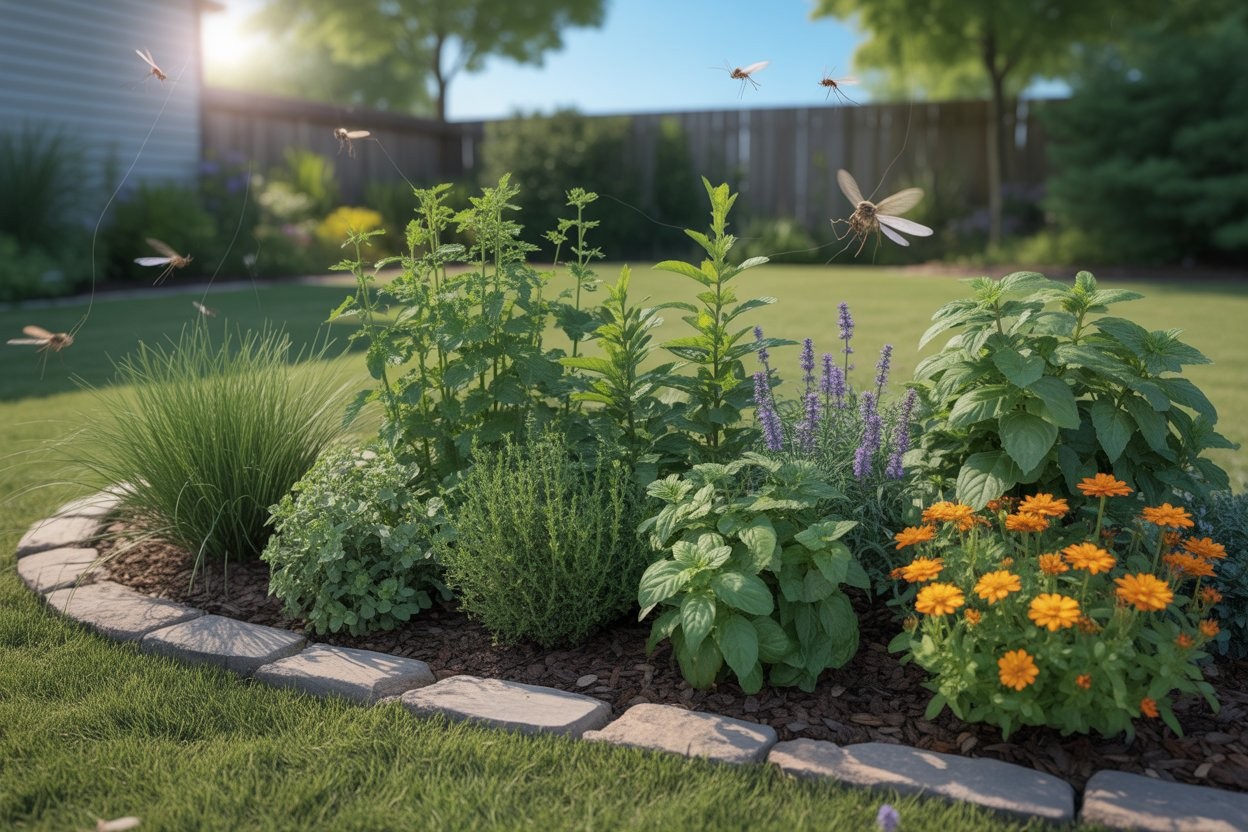
Mosquitoes are more than a seasonal annoyance. These pests carry diseases that make their bites more than just itchy red spots. That’s why keeping them away isn’t just about peace of mind, it’s also about protecting your health.
The go-to solution to get rid of mosquitoes out of yard is often a bottle of bug spray, but you don’t need chemicals to put up a solid defense. A more natural solution is to grow plants that repel mosquitoes.
In this article, I share 15 plants that repel mosquitoes while making your yard look good. These plants are easy to grow, pleasant to be around, and surprisingly create a space that mosquitoes won’t love.
1. Marigold
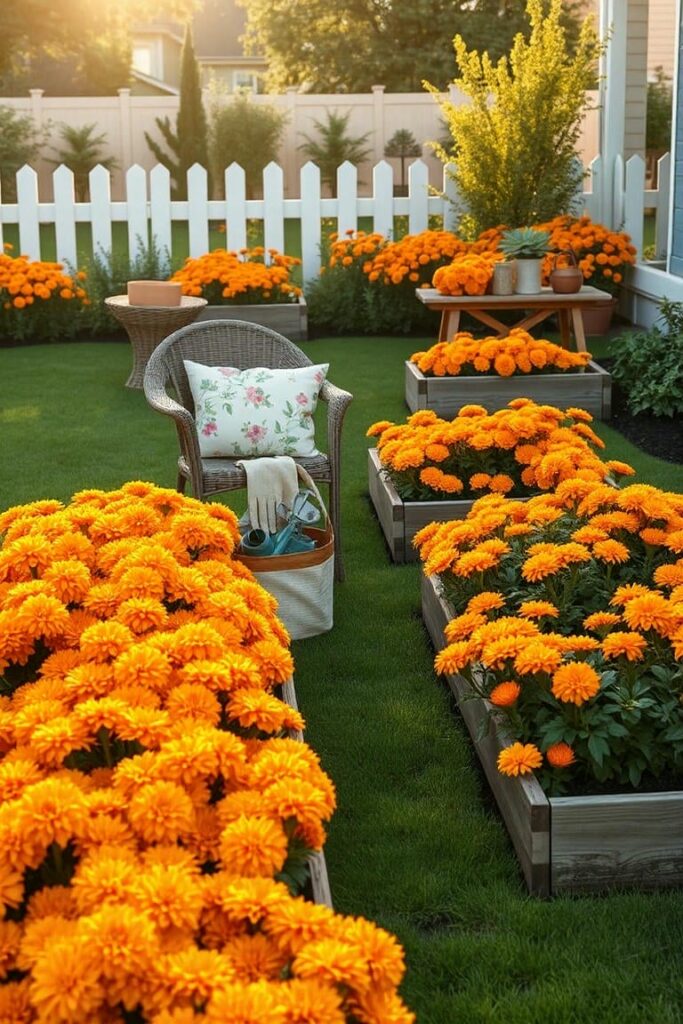
Marigolds pack a pest-fighting punch thanks to pyrethrum, a natural compound found in their foliage and flowers that wards off mosquitoes, aphids, nematodes, and whiteflies.
Their bold scent doubles as a deterrent while brightening your garden with vibrant blooms.
Marigolds thrive in containers. So opt for 6 to 8-inch pots for dwarf types and 10 to 12 inches for larger ones. Provide a quality potting mix with good drainage, and you’ll have a cheerful, low-maintenance mosquito shield that also attracts bees and butterflies.
2. Citronella Geranium
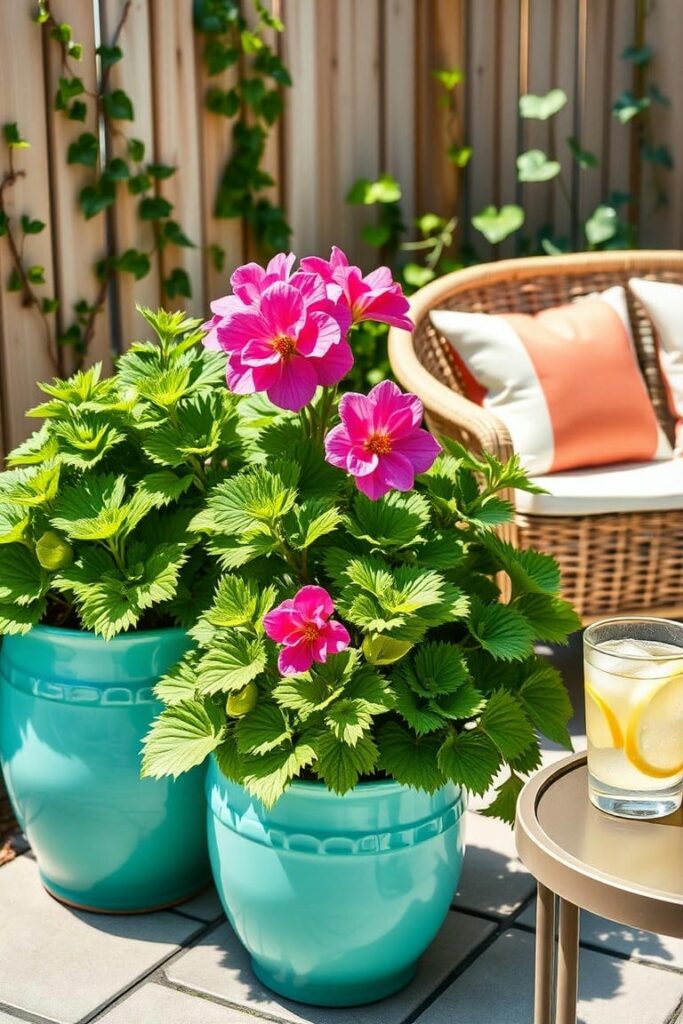
Nicknamed the “mosquito plant,” citronella geranium stands out with its bold citrus fragrance that wards off mosquitoes and other flying pests. When crushed, its leaves release a scent similar to citronella grass, making it a natural and attractive insect repellent.
Grow citronella geraniums in large terracotta pots with at least 12 inches in diameter for ample root space and good airflow. Place the pots in areas where mosquitoes are a nuisance, especially around patios and garden edges.
3. Sage
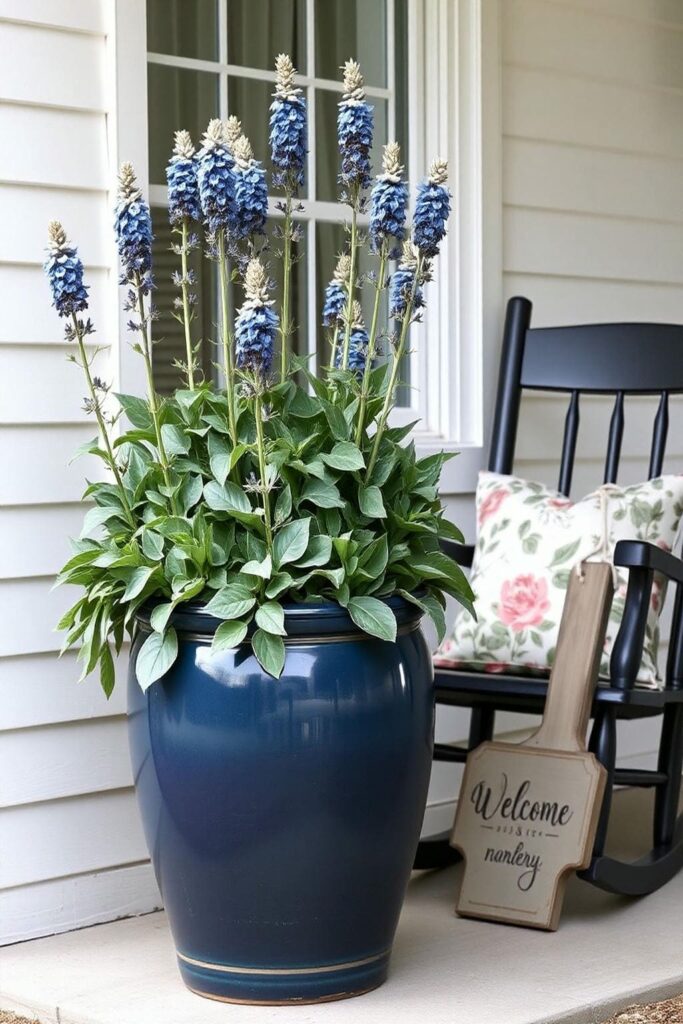
Sage is both a food herb and a natural mosquito repellent. Rich in essential oils like camphor, cineole, and thujone, its strong, earthy aroma confuses mosquitoes’ sense of smell, making it harder for them to detect nearby humans.
Grow sage in pots and cluster them around outdoor gathering spots, especially fire pits. Toss fresh or dried sage into the flames to release a mosquito-repelling scent and add an aromatic touch to your outdoor ambiance.
4. Citronella Grass
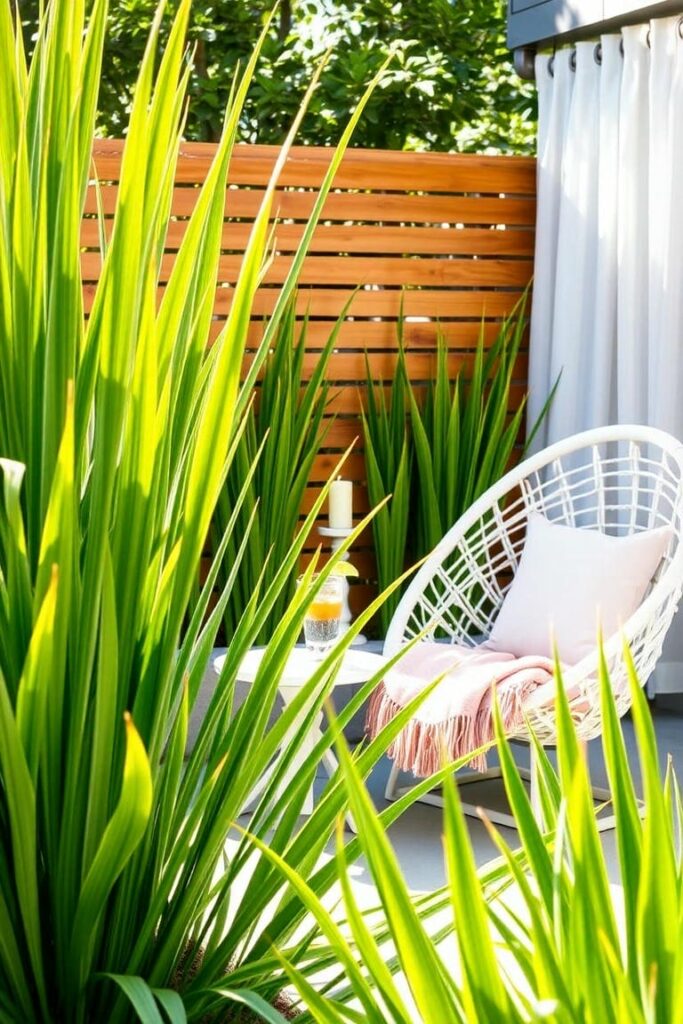
Citronella grass’s mosquito-repelling power is both natural and effective. Crushing its leaves releases citronella oil, the active ingredient commonly used in sprays, candles, and lotions that keep pests away.
Beyond its practical benefits, citronella grass adds a tropical flair and a refreshing lemony aroma to your outdoor space. You can grow it in pots and place them around patios, decks, or entryways to create both a fragrant and functional barrier against mosquitoes.
5. Thyme
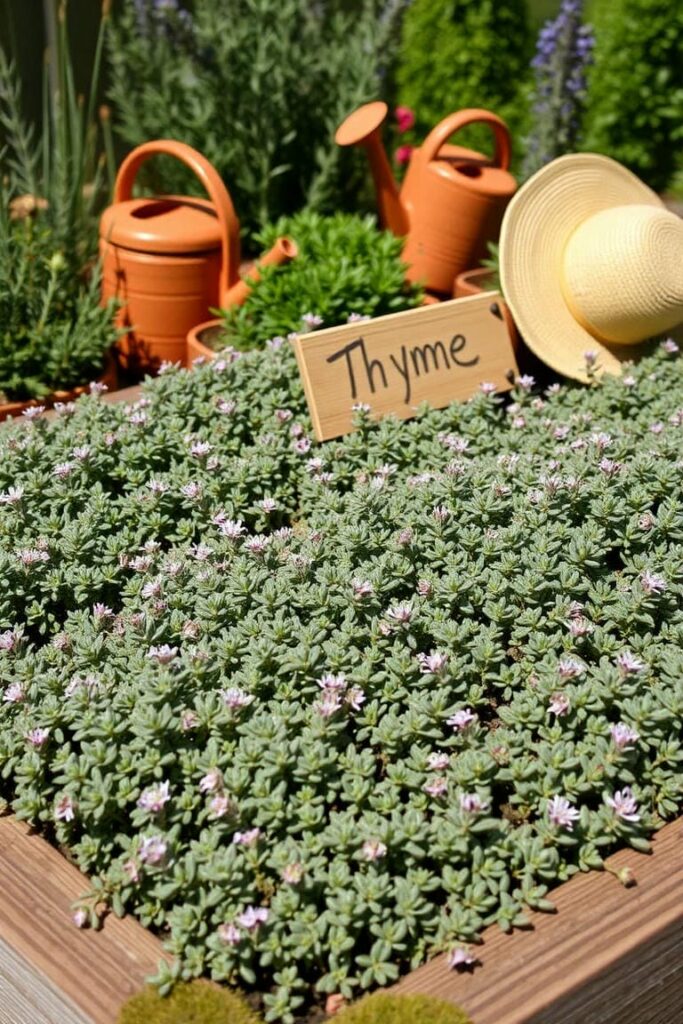
With its bold scent and essential oils, Thyme serves as both a food staple and a natural mosquito repellent. Its pungent aroma disrupts mosquito activity, making it an effective deterrent when grown near patios, balconies, or entryways.
For maximum growth and repellency, give thyme 6 to 8 hours of direct sunlight daily. Pair it with lavender, marigolds, or rosemary to build a fragrant, multi-layered defense against these pests.
6. Mint
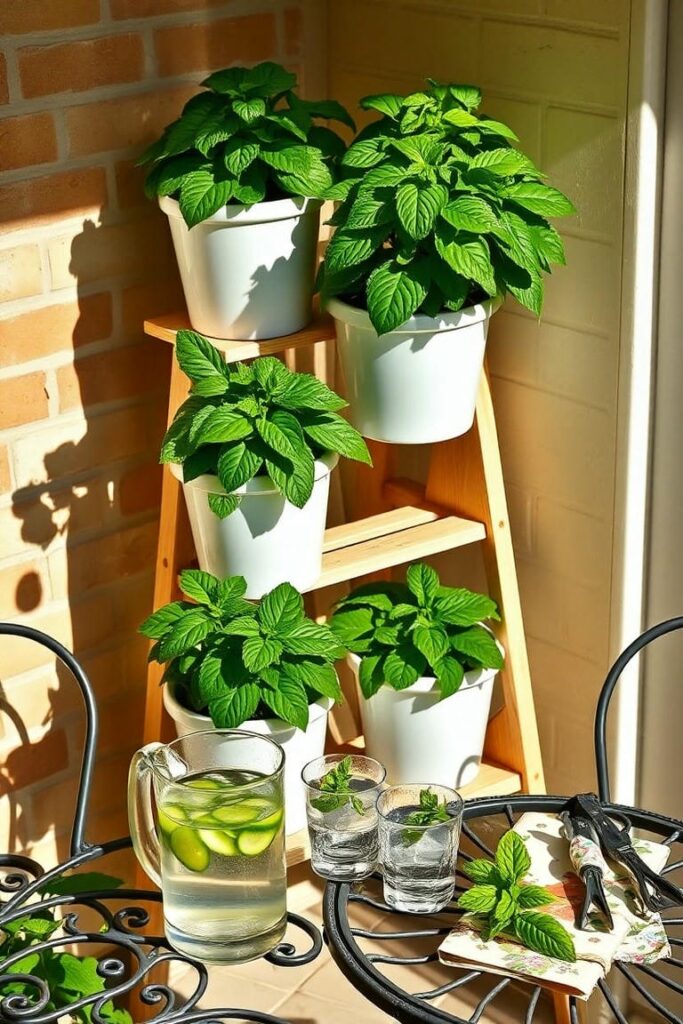
Mint, with its sharp menthol-rich aroma, effectively masks human scents that attract mosquitoes, making it a natural and aromatic repellent. Additionally, mint attract dragonflies for mosquito control, especially when it flowers.
To grow mint, choose spacious pots to give roots room while preventing soggy soil. Position the pots near patios or seating areas for both mosquito defense and a refreshing scent that doubles as a culinary bonus.
7. Lavender
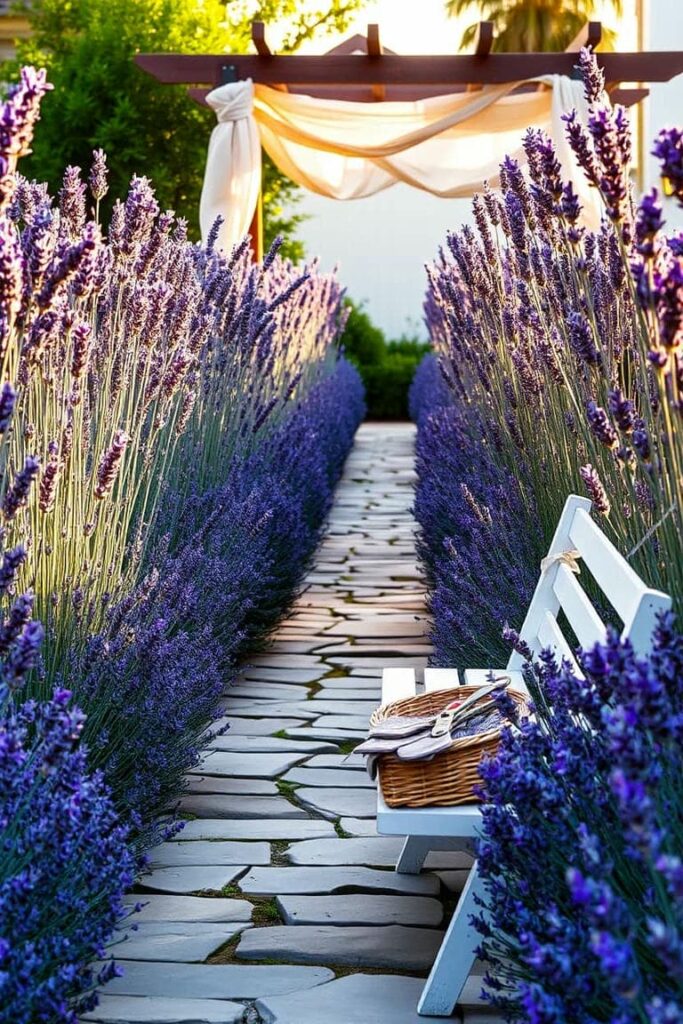
Lavender’s linalool and linalyl acetate scent confuses mosquitoes by masking your natural odor, and rubbing the leaves on your skin adds an extra layer of defense.
To grow lavender successfully, use deep containers of 12 to 16 inches in diameter. Terracotta pots are ideal, as they promote quicker soil drying, which lavender prefers.
8. Peppermint
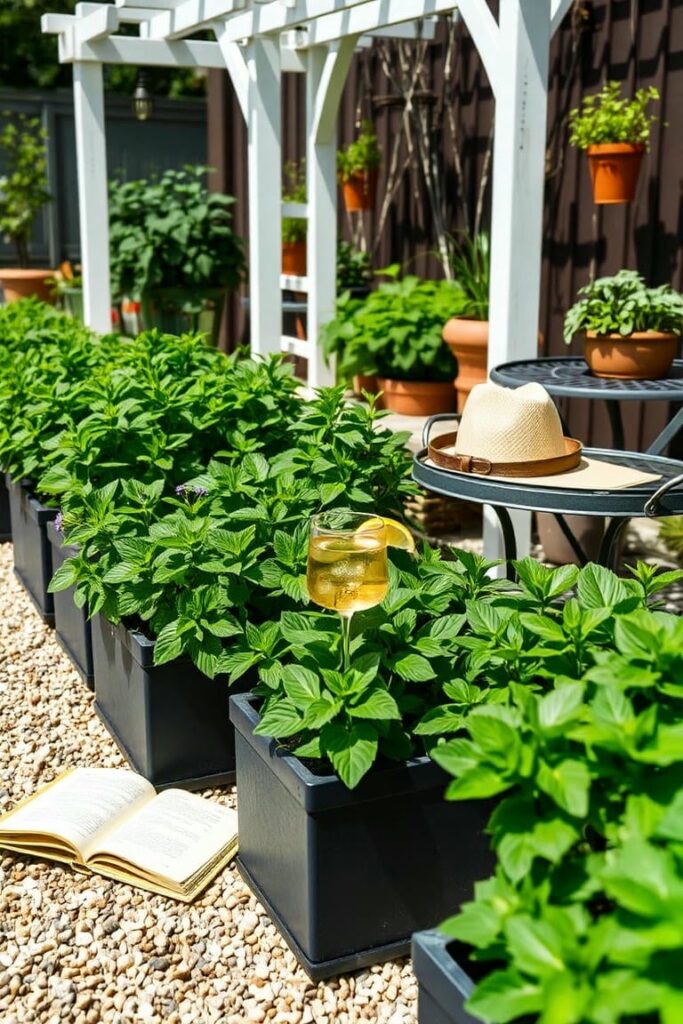
Peppermint is high in menthol content, a strong scent that overwhelms mosquitoes and easily masks the human scents that attract pests.
While it’s effective, peppermint is also a vigorous spreader. So growing it in pots is the best way to keep it contained and manageable.
Choose a container that’s at least 12 inches deep and wide to give the roots room to thrive. Keep the soil consistently damp, especially in hot or dry weather, to maintain healthy, lush growth and maximize its mosquito-repelling potential.
9. Pennyroyal
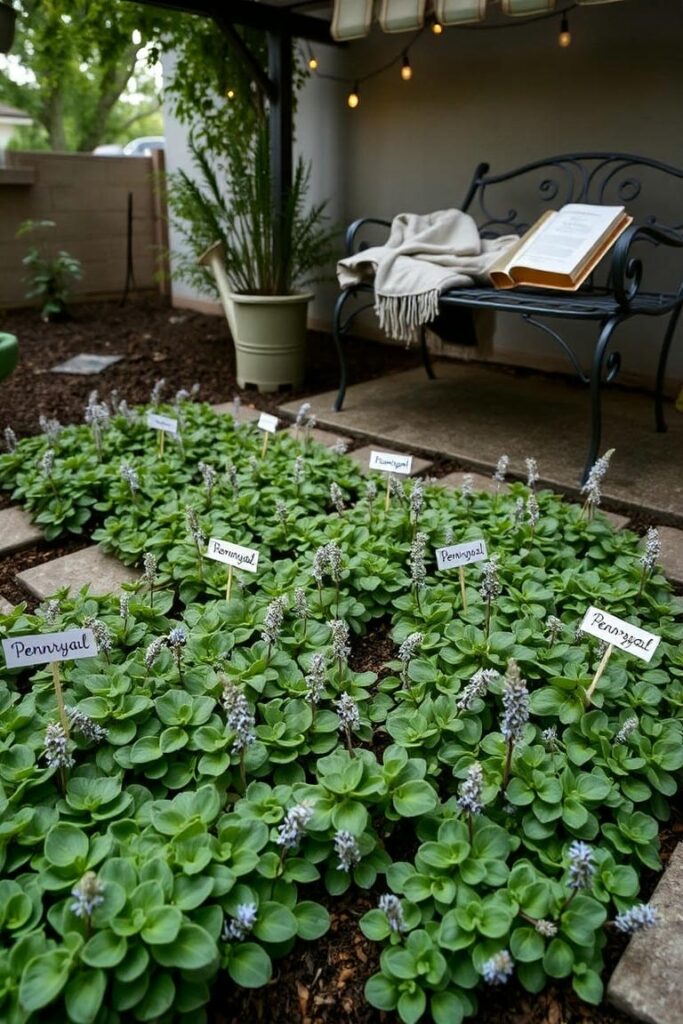
Pennyroyal emits a sharp, menthol-like scent due to its high pulegone content. Its intense aroma effectively drives away mosquitoes and other insects, making it a useful addition to pest-prone areas.
To control its rapid spread, grow pennyroyal in wide containers and keep them in well-ventilated, outdoor areas.
10. Lemon Balm
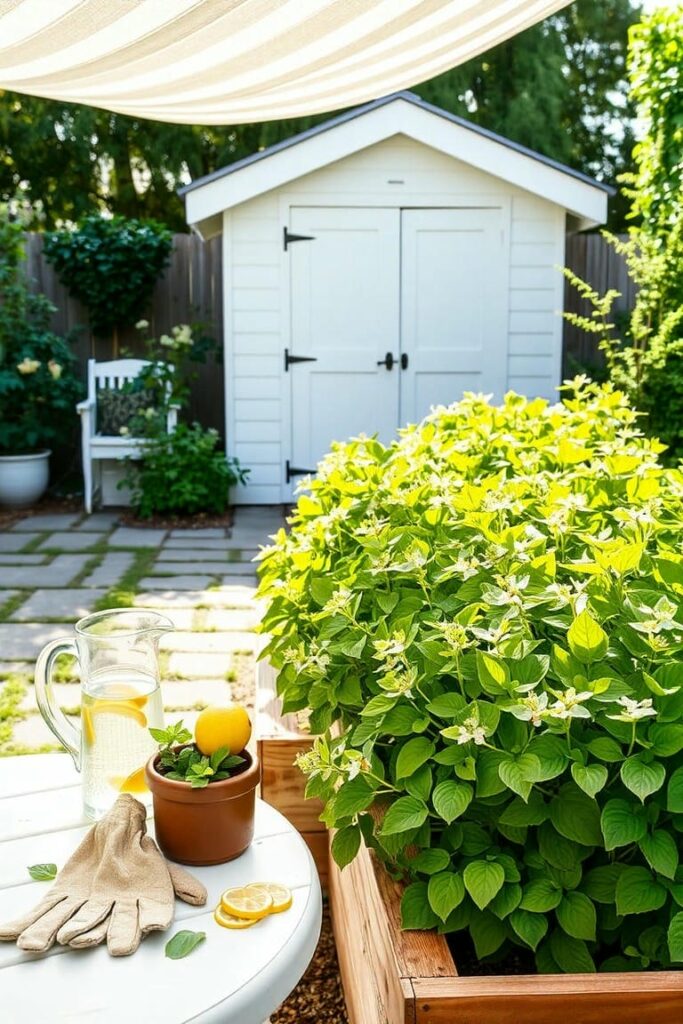
Lemon balm combines bold growth with a refreshing lemon scent. Its leaves contain citronellal and geraniol, two potent compounds that mosquitoes can’t stand.
Although lemon balm thrives in containers, its rapid spread calls for a generously sized pot at least 8 to 12 inches wide. For best results, choose well-draining pots and group them around patios or doorways to form a living mosquito barrier.
11. Floss Flower
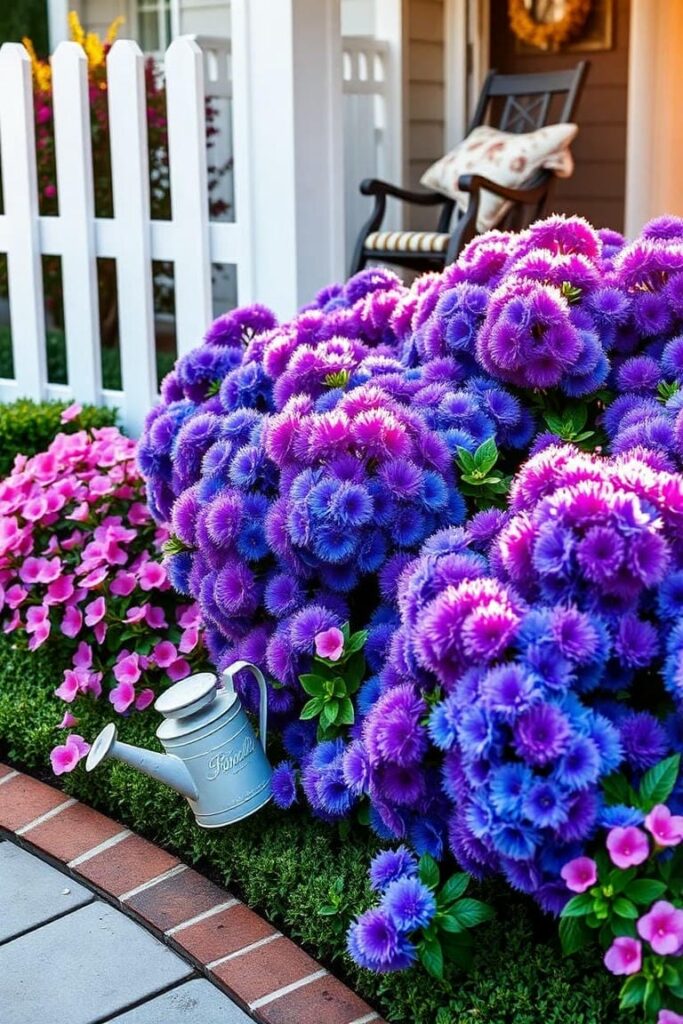
Floss flowers sweet, coumarin-rich aroma is enough to make mosquitoes go away. Their scent helps mask the smells that draw mosquitoes in, making them a gentle but charming line of defense.
These compact, long-blooming annuals are ideal for pots, as they add both color and subtle protection to outdoor spaces. So plant them in containers at least 8 to 10 inches wide to give their fluffy, pom-pom-like blooms room to shine.
12. Rosemary
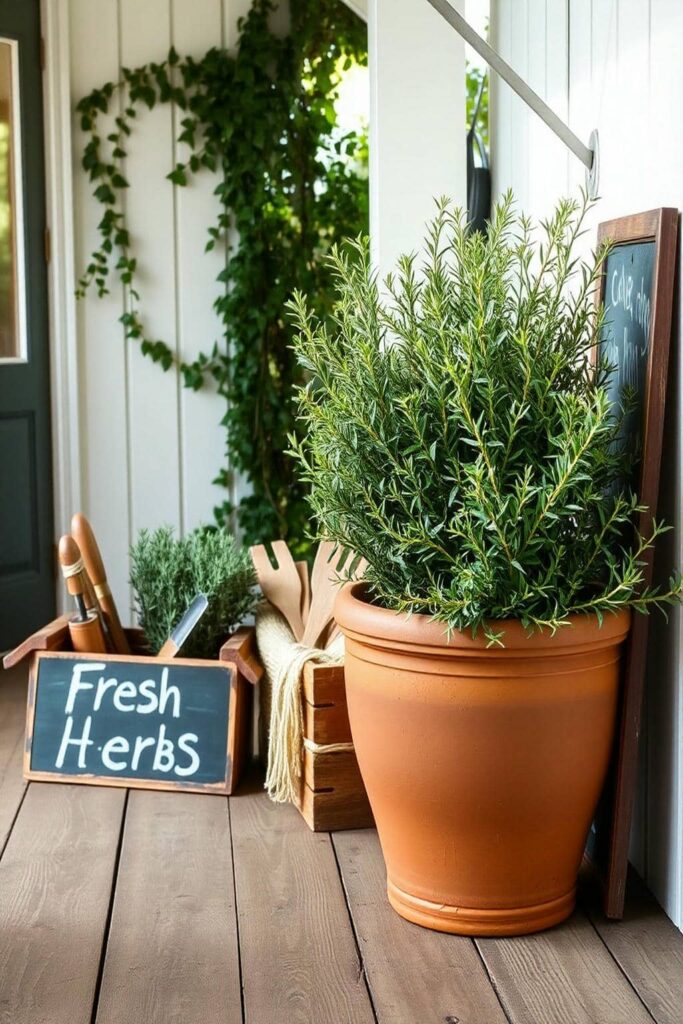
Rosemary’s essential oils, rich in eucalyptol, camphor, and limonene, release a sharp, woody fragrance that mosquitoes find overwhelming.
For the best results, plant rosemary in containers at least 12 inches deep and wide to support its root system. Place pots near outdoor seating areas to enjoy both its culinary charm and insect-repelling prowess.
13. Alliums
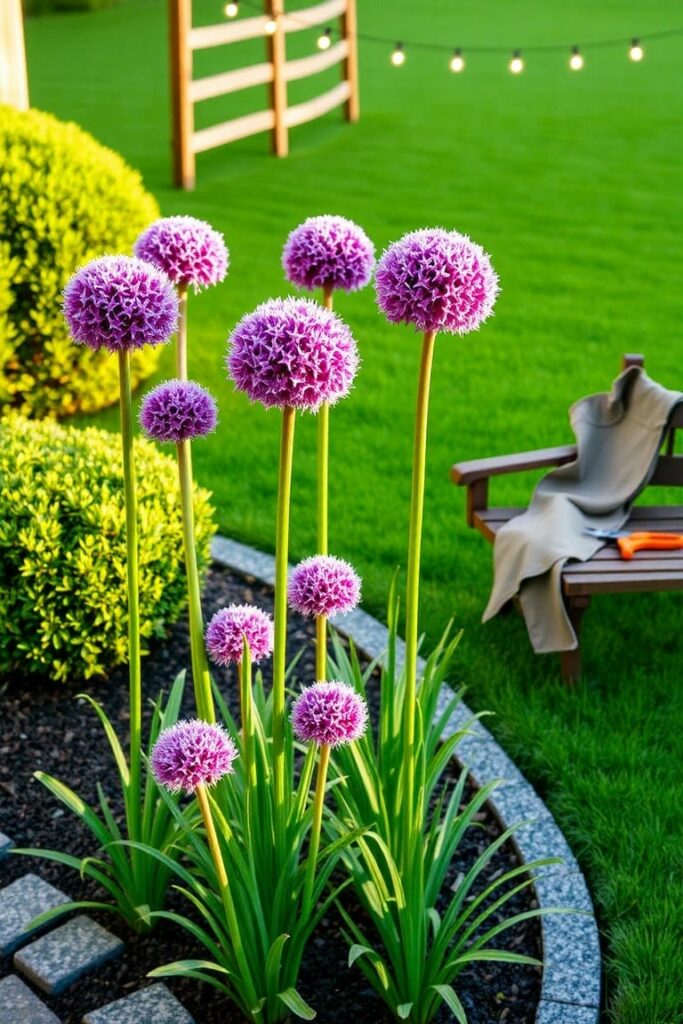
From culinary staples like onions and garlic to eye-catching ornamental types like chives and flowering alliums, these plants emit sulfur-based compounds that mosquitoes find uninviting.
To make the most of their pest-repelling powers, grow alliums in containers at least 6 to 8 inches deep, and scale up for larger varieties. Cluster them around patios or doorways to form a practical and attractive barrier against mosquitoes.
14. Basil
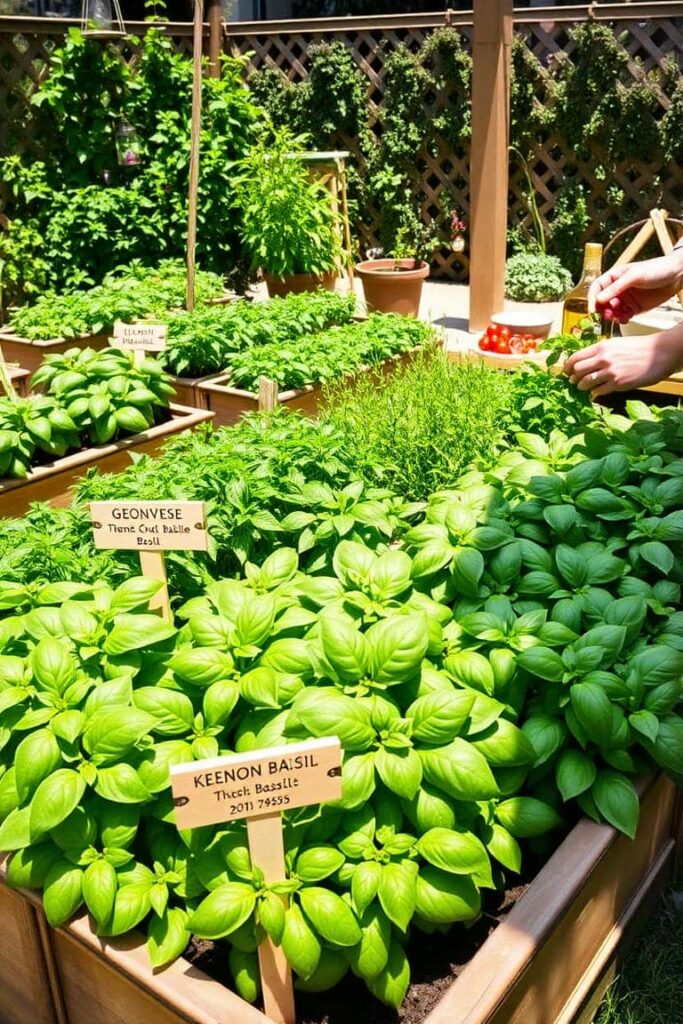
Basil a powerful mosquito repellent thanks to essential oils like citronellol and linalool that emit a scent mosquitoes avoid.
Grow basil in large containers and cluster them around patios or outdoor seating areas to create an aromatic, insect-repelling shield. You can plant several basil plants together, just ensure the pot has ample space and good drainage.