
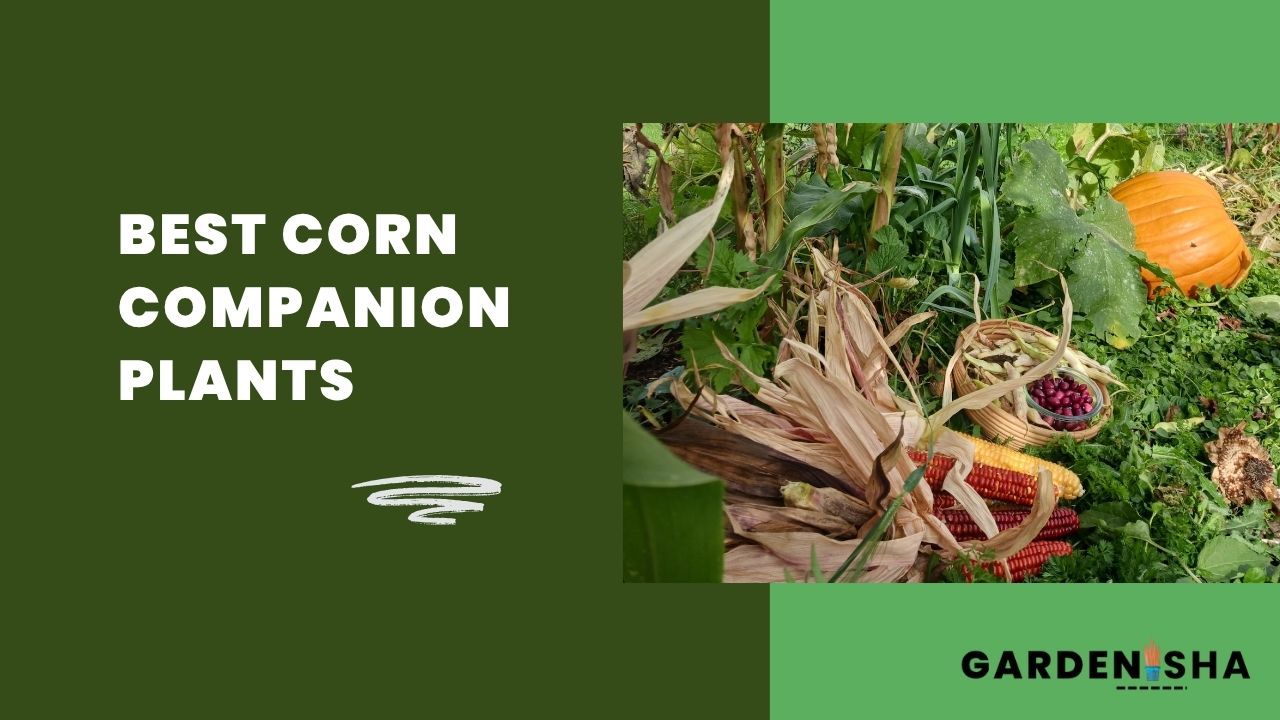
I grow corn every once a year in my home garden. And I like to include companion plants in the mix to have an abundance harvest in the season.
What’s more?
Corn companion planting helps deter pests, attract useful insects and pollinators, improve soil quality, and balance nutrients, water, and sun requirements.
To be clear, beans and squash aren’t the only known companion plants to grow with corn. Here are additional plants you can grow alongside corn for a bountiful harvest:
1. Beans
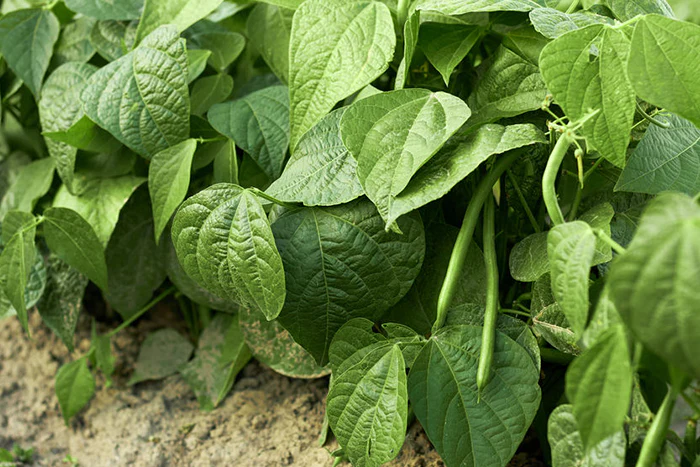
Beans form a symbiotic relationship with rhizobia bacteria that convert atmospheric nitrogen into a usable form for nearby roots, which enriches the soil.
In return, beans supply carbohydrates to the bacteria, thus creating a steady nutrient cycle that supports surrounding plants.
Corn, which shares the same growth strategy as beans, provides a strong, upright structure that supports climbing beans without extra trellising.
You should Plant beans at the base of corn stalks to improve soil fertility, save space, and increase total yield from the same garden bed.
2. Zucchini
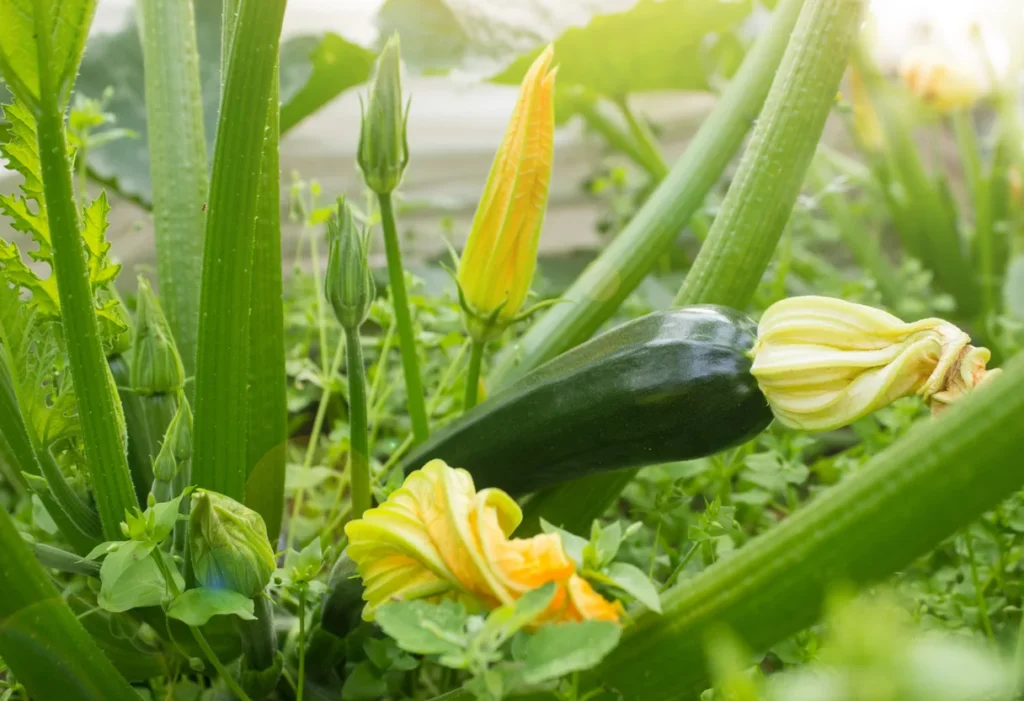
Zucchini pairs well with corn due to shared needs and complementary growth habits. The broad leaves spread across the soil, which keeps moisture in place and lowers soil temperature around corn roots.
Thisgroundcoverage limits evaporation and supports steady growth during warm weather.
Corn stalks provide vertical support that zucchini vines use for structure. This setup lifts fruit off the ground and reduces contact with pests and excess moisture.
Plant zucchini near corn with enough spacing to allow airflow and let both crops support each other through shade, support, and weed control.
3. Borage

Borage supports corn by repelling worms that commonly damage stalks and ears. Its scent discourages these pests, while its flowers attract predatory insects that reduce worm populations further.
Heavy planting borage around corn strengthens this defense and lowers pest pressure during peak growth. Borage also draws pollinators such as bees with its blue flowers, which increases insect activity across the garden.
4. Cucumber
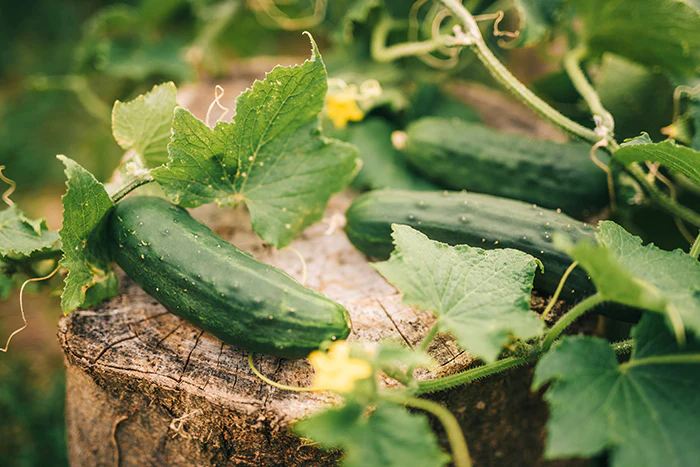
Corn and cucumbers grow well together because they share warm soil and steady moisture without competing for resources.
Corn provides height that shades cucumbers and serves as a natural trellis, which lifts vines and fruit off the ground. This placement reduces rot and limits insect damage during wet weather while improving airflow around the plants.
Cucumber vines spread across the soil beneath corn, which keeps roots cool and holds moisture in place. Their dense growth suppresses weeds and reduces the need for extra maintenance.
You should space corn and cucumber seedlings 12 inches apart to balance support, airflow, and soil coverage while maintaining healthy yields for both crops.
5. Watermelons
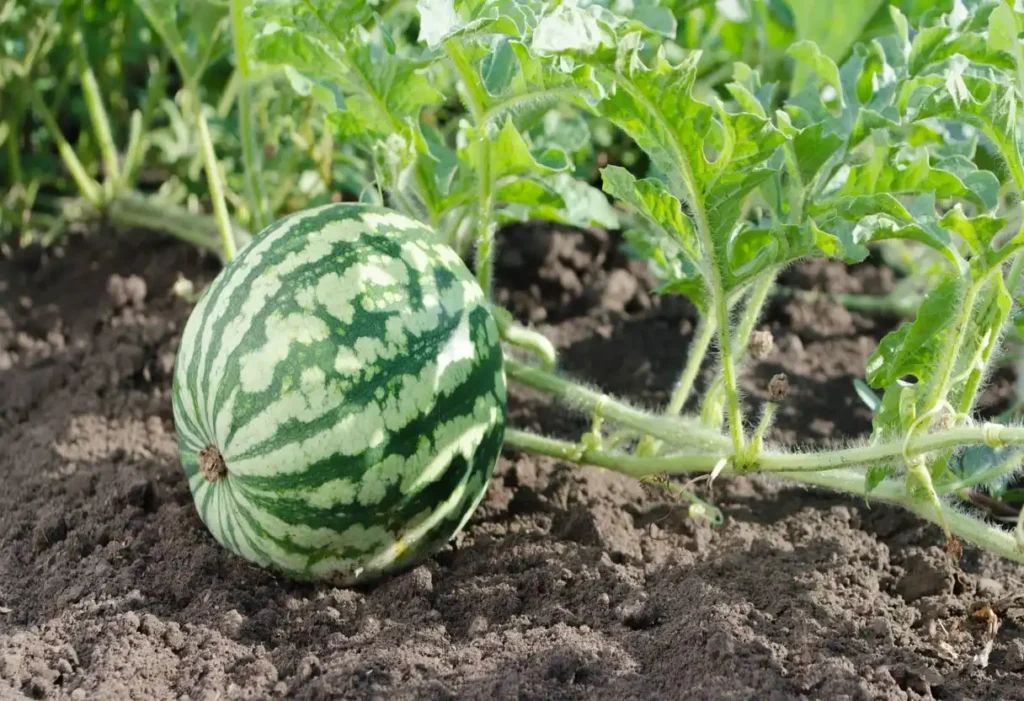
Although corn does not support watermelon vines, but it still plays a key role by shading the soil at the base of the plants. The shade limits weed growth and helps the ground retain moisture during warm periods.
Watermelon vines spread across the soil and benefit from the cooler, protected conditions corn creates.
Grow watermelons alongside corn with enough space for vine expansion and airflow. This pairing improves moisture control and reduces maintenance without relying on physical support.
6. Garden Peas
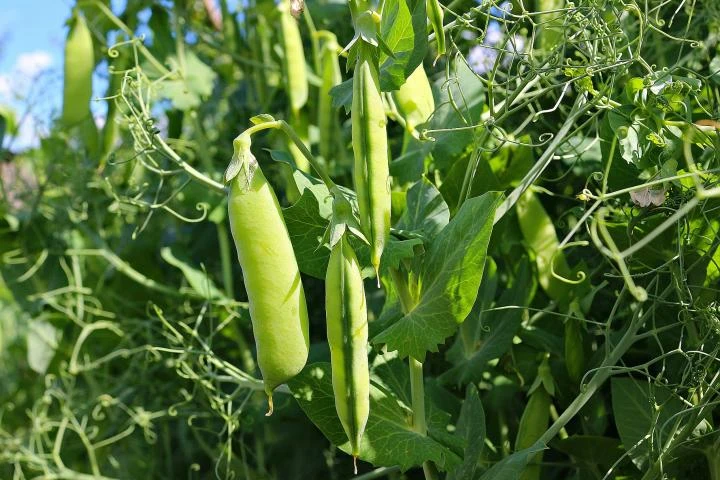
Garden peas follow the same nitrogen-fixing role as beans and enrich the soil for corn through their partnership with soil bacteria. This process improves nutrient availability and supports stronger corn growth.
Corn benefits peas despite the difference in planting seasons. As corn grows in early summer, it casts light shade that protects established pea plants during hot days.
Use this pairing to manage heat stress, support soil fertility, and extend the productivity of the same garden space through coordinated timing.
7. Dill
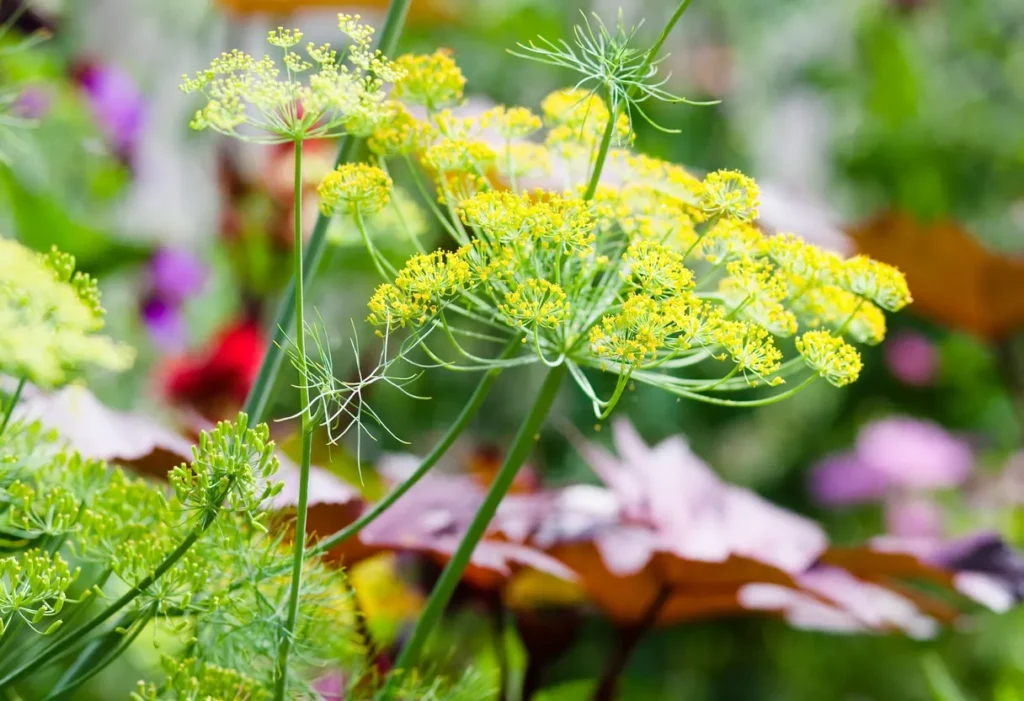
Dill protects corn by attracting beneficial insects such as wasps and ladybugs that prey on earworms, cutworms, and aphids. Parasitic wasps target caterpillars, and ladybugs feed on aphids, reducing pest pressure naturally.
Since dill’s long taproot can compete with corn roots, position it at the ends of rows or maintain at least one foot of spacing.
The benefits focus on pest management rather than nutrients, allowing both plants to thrive when grown close but not crowded.
8. Marigolds
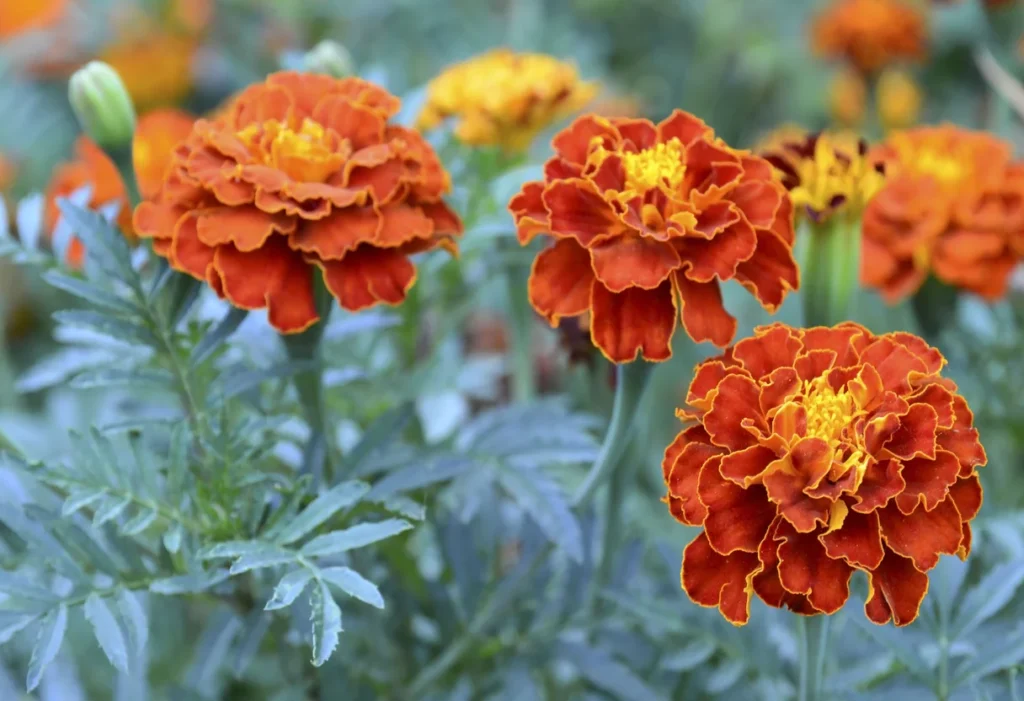
Marigolds protect corn by repelling beetles, squash bugs, hornworms, and root-knot nematodes. Their presence reduces pest pressure and safeguards surrounding plants.
Their shallow roots and compact size allow flexible placement without interfering with corn growth.
Planting marigolds near corn combines pest control with minimal space impact, which enhances overall garden health.
9. Mint
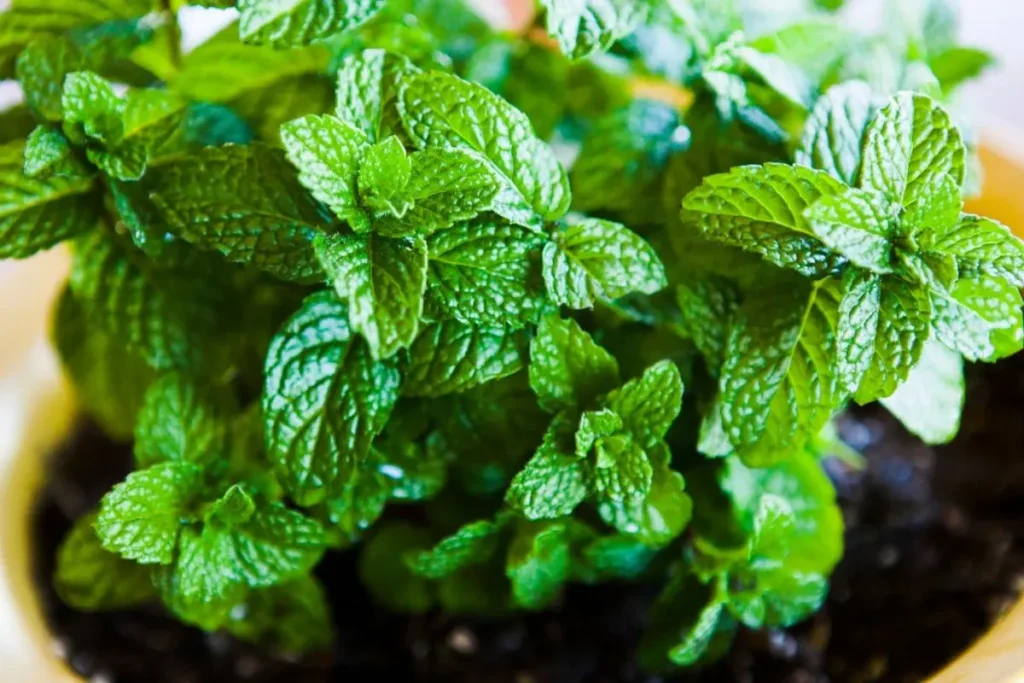
Mint protects corn from deer by emitting a strong scent that deters them. It also forms a dense mat that suppresses weeds and its shallow roots limit interference with established corn.
Plant this deer-resistant plant in containers nearby to create a barrier without risking aggressive spread into corn beds. Keep the mint pruned and controlled to balance protection, weed suppression, and corn growth.
10. Potatoes
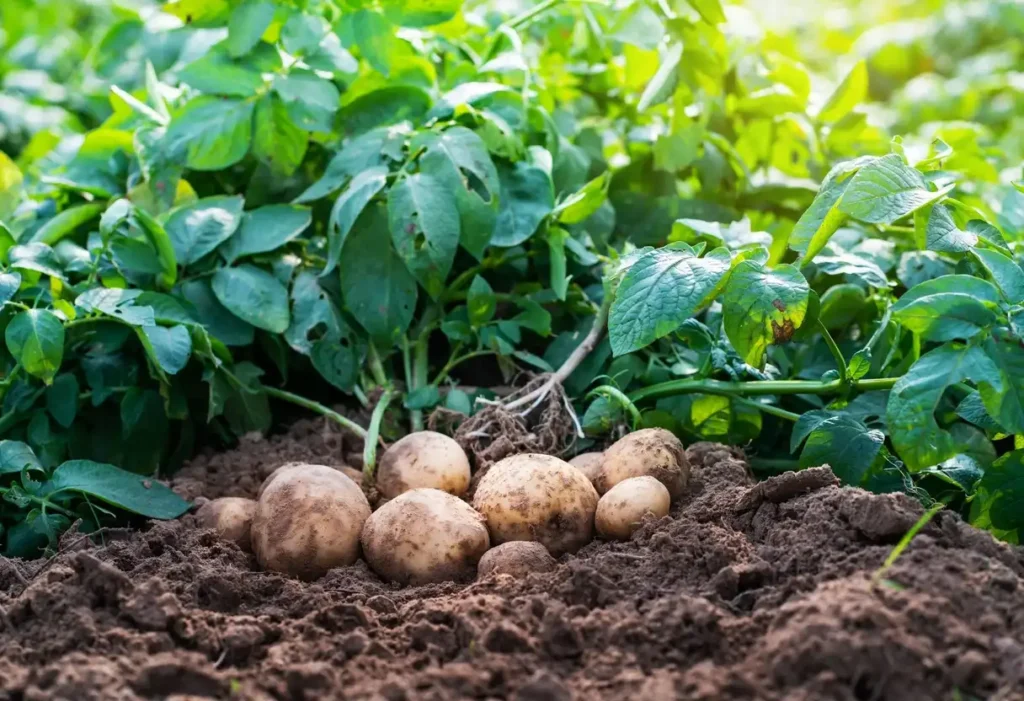
While potatoes thrive in full sun during spring, high temperatures in summer can stress plants and slow development. Corn supports potatoes by providing shade that protects them from the summer heat.
Grow corn on the south side of the garden and potatoes north of it to create targeted shade that cools potato rows. Also, ensure corn shades only heat-sensitive crops, leaving sun-loving plants unaffected.
This arrangement promotes steady potato growth, improves tuber development, and makes efficient use of garden space.
11. Nasturtium
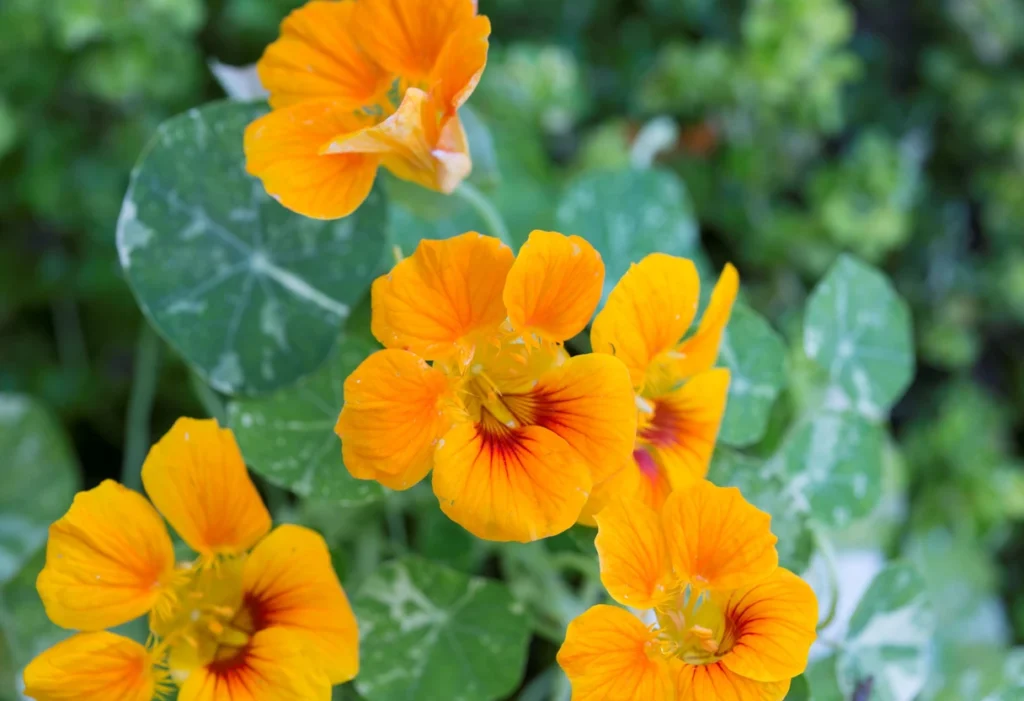
Nasturtium attracts pollinators that support corn growth and acts as a trap crop for aphids.
Position it far enough from corn to prevent pests from reaching the crop, yet close enough to draw aphids away from stalks.
Maintain about one inch of water per week, matching corn’s watering schedule. This strategy combines pest control with pollinator support andvibrant garden color.
12. Winter Squash
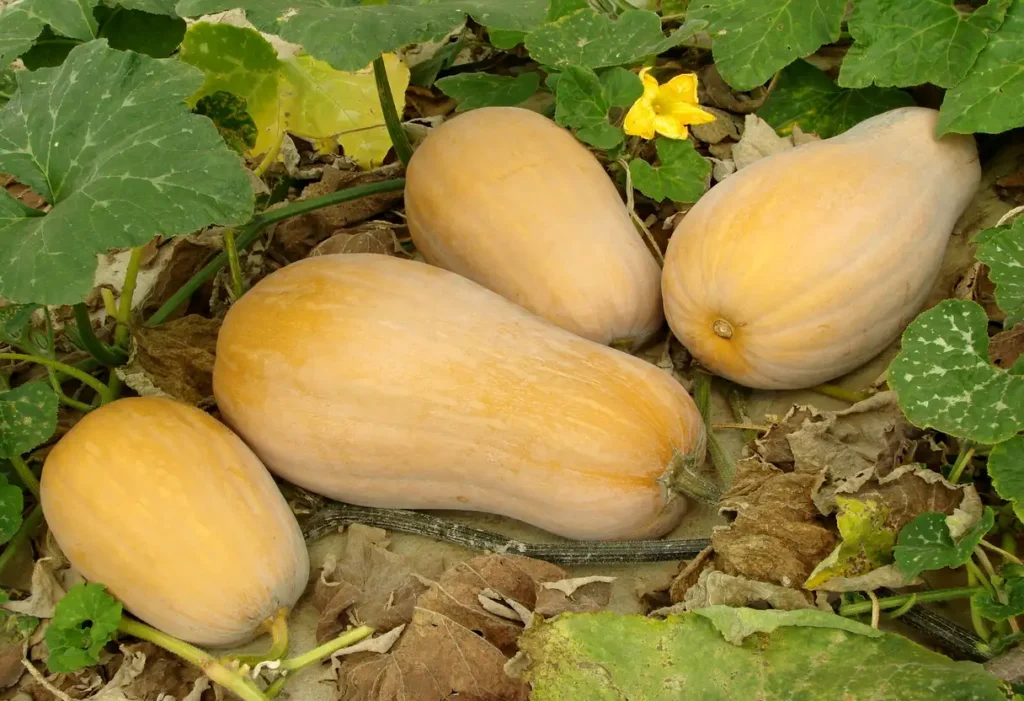
Winter squash vines spread wide and block weeds, which protects soil structure and holds moisture near corn roots. This ground coverage reduces water loss and lowers upkeep across the bed.
Corn stalks cast light and broken shade that supports squash and pumpkin growth during warm periods.
Grow squash at the base of corn with enough room for vines to expand. This layout strengthens moisture control, limits weeds, and supports steady yields from both crops.
12. Spinach
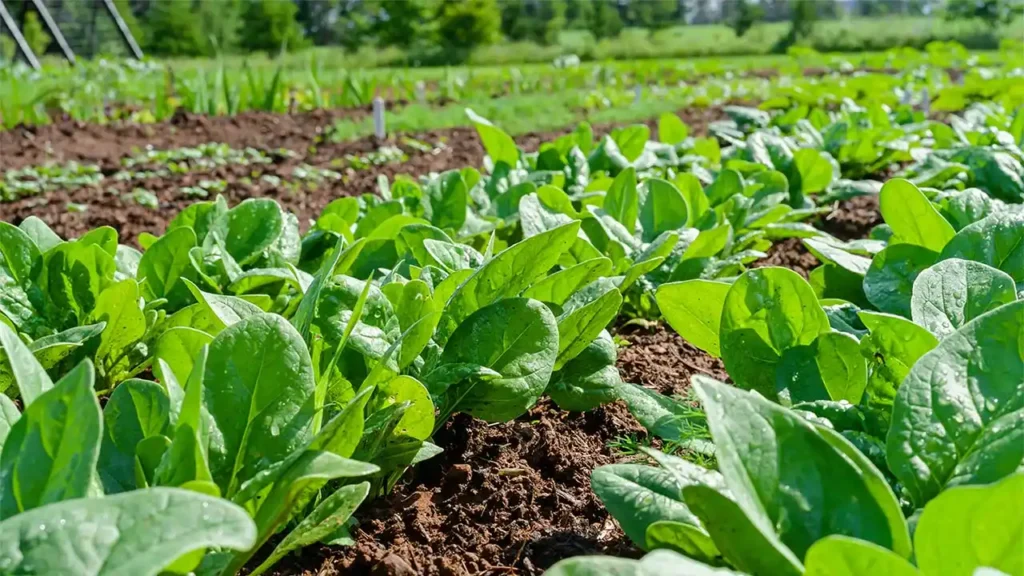
Spinach and corn share similar water needs, making them compatible in the same bed. Spinach thrives in the shade cast by corn, which slows bolting during early summer.
Plant the spinach at the base of corn or in alternating rows, timing corn planting after the last frost to protect the greens.
When summer heat becomes too intense for spinach, replace it with a heat-tolerant crop to maintain continuous production.
13. Lettuce
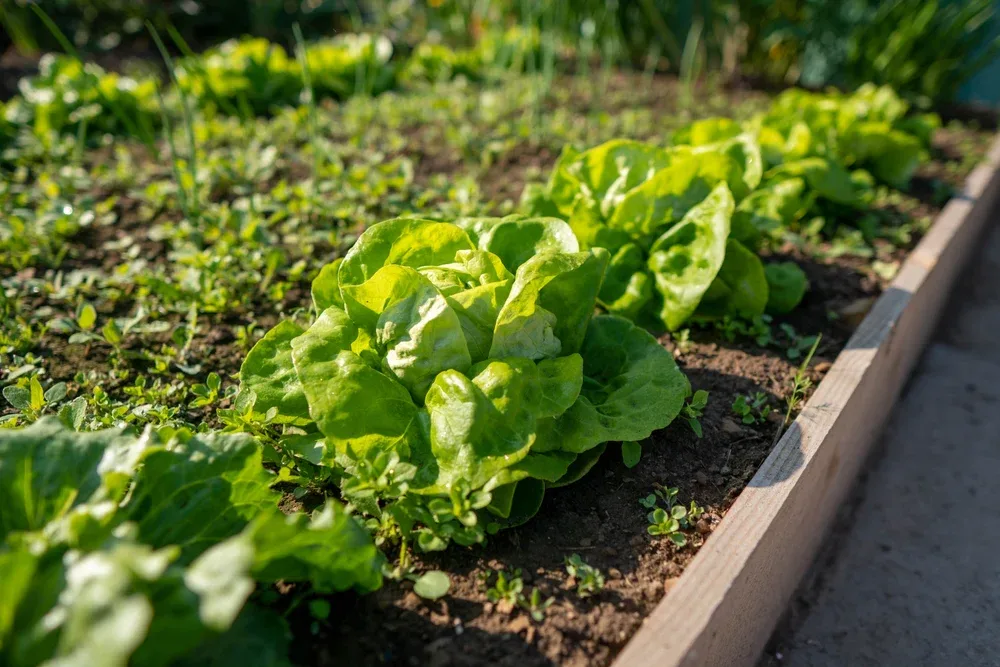
Lettuce struggles in summer heat, which limits harvest windows.
However, planting lettuce beside corn solves this problem because corn provides the shade that lowers soil and air temperature around the plants.
Corn creates a cooler microclimate that prevents bolting and bitterness. The shade also slows stress and preserves leaf quality, allowing lettuce to stay tender and usable.
Place lettuce on the shaded side of corn’s rows and space plants properly to allow airflow. This approach extends lettuce production through summer and turns unused shade into reliable yield.
14. Sunflower

Corn and sunflowers grow well together despite both having deep roots, as long as you plant them in alternating rows to prevent root competition while allowing each to thrive.
Sunflowers attract pollinators and provide a natural windbreak that supports corn growth.
You can rotate corn and sunflowers each year to improve soil structure. Their deep roots pull nutrients and water upward, creating channels that help the following crop grow faster and stronger. This approach boosts pollination, soil health, and overall productivity.